Your Spice Rack Is Bored: Bold Tropical Swaps That Will Change the Way You Bake and Brew
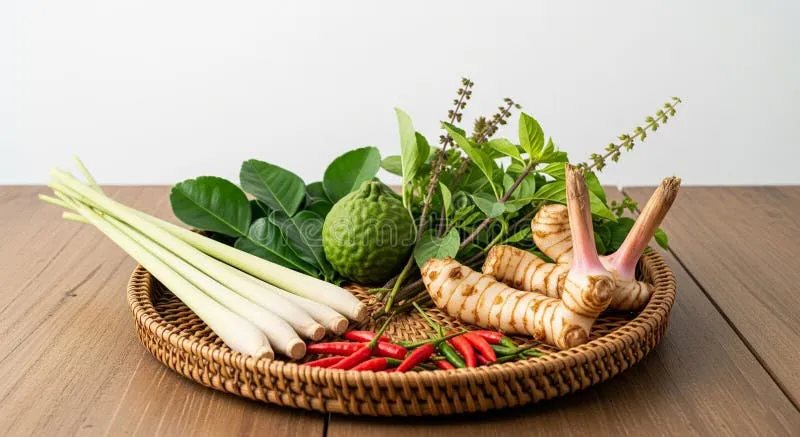
Photo: tropical spices galangal lemongrass grains of paradise flat lay, via thumbs.dreamstime.com
Let's be honest: most of us are running on autopilot when it comes to spices. Vanilla in the cookies. Cinnamon in the oatmeal. Cardamom in the latte, if we're feeling fancy. These are good flavors — genuinely great ones — but they've become so reflexive that we've stopped actually tasting them. They're comfort, not discovery.
Here's my pitch: it's time to let some tropical newcomers into the rotation. Not to replace your favorites forever, but to wake your palate up and remind you why flavoring food is supposed to be fun. The spices we're talking about aren't obscure for the sake of obscurity — they're flavor-packed, scientifically interesting, and increasingly available at specialty grocers and online retailers across the US.
So let's get into it.
Why Familiar Spices Can Make Your Brain Tune Out
There's actual food science behind flavor fatigue, and it's worth understanding before we start swapping things out. When you encounter the same aroma compound repeatedly — eugenol in cinnamon, vanillin in vanilla — your olfactory receptors adapt. You still register the smell, but the emotional and sensory impact dims. It's the same reason your morning coffee smells incredible to a guest walking into your kitchen but barely registers to you anymore.
This is why rotating your spice vocabulary isn't just a chef-y affectation. It's a way of keeping your food exciting to yourself. New aroma compounds trigger fresh sensory responses, which means the first time you add Grains of Paradise to a recipe, your brain is paying full attention.
Grains of Paradise: The Spice That Thinks It's Three Things at Once
If you haven't cooked with Grains of Paradise (Aframomum melegueta), you're missing one of the most interesting flavor experiences in the tropical spice world. Native to West Africa and historically used in European cooking before black pepper became dominant, these small seeds deliver a layered hit of heat, citrus, and floral warmth that's genuinely hard to describe until you've tasted it.
The key aroma compound here is paradol, along with traces of gingerol (yes, the same family as ginger) and various terpenes that contribute the bright, almost herbal edge. The result is peppery but rounder, spicy but not aggressive.
How to use it: Grains of Paradise are a brilliant swap for black pepper in spiced desserts — think spiced shortbread, molasses cookies, or a gingerbread loaf where you want complexity without the sharp bite. Start with a 1:1 replacement for black pepper, then adjust to taste. They're also outstanding in hot cocoa and chai-style drinks, where they add warmth without competing with other spices.
Lemongrass: Not Just for Thai Takeout
American cooks tend to associate lemongrass exclusively with Southeast Asian savory cooking, which is a real shame because its flavor profile — bright, citrusy, slightly floral, with a clean herbal finish — translates beautifully into sweet applications.
The dominant compound in lemongrass is citral, the same molecule responsible for the lemon flavor in lemon verbena and lemon myrtle. But lemongrass has a rounder, more aromatic quality than straight lemon zest, with none of the acidity. That makes it an interesting substitute for vanilla in applications where you want fragrance and warmth without the heavy sweetness.
How to use it: Steep bruised lemongrass stalks in warm cream or milk before making custards, panna cotta, or rice pudding. Use it to infuse simple syrups for cocktails and lemonades. For baking, lemongrass powder (available at most Asian grocery stores and online) can be added directly to dough or batter — start with about half the amount of vanilla extract a recipe calls for and build from there. It pairs particularly well with coconut, mango, and white chocolate.
Galangal: Ginger's More Intense Cousin
Galangal looks like ginger root and belongs to the same botanical family, which is exactly why people underestimate how different it tastes. Where ginger is warm and slightly sweet, galangal is sharper, more resinous, and carries a distinct piney, almost medicinal quality that's polarizing at first and completely addictive once you adjust.
The flavor difference comes down to chemistry: galangal contains higher concentrations of terpenes (particularly 1,8-cineole, also found in eucalyptus and rosemary) alongside its own unique set of gingerol-related compounds. The result is a spice that's simultaneously more aggressive and more complex than ginger.
How to use it: Galangal is a strong candidate for replacing ginger in recipes where you want more depth and less sweetness — spiced morning smoothies, herbal teas, and bold baked goods like dark gingerbread or spiced pumpkin bread. Use about 75% of the amount you'd use for fresh ginger, since the flavor is more intense. Dried and powdered galangal is milder and easier to work with for baking; fresh galangal is better suited to beverages and infusions.
A Quick Note on Sourcing
One reason these spices haven't gone mainstream in the US yet is simple availability — or the perception of it. The reality is that Grains of Paradise, lemongrass (fresh and dried), and galangal are all findable with minimal effort. Asian grocery stores are your best bet for fresh lemongrass and galangal. Grains of Paradise show up at Whole Foods, specialty spice shops like Penzeys, and reliably on Amazon. Once you know to look, they're not hard to find.
The Bigger Swap Philosophy
None of this is about declaring vanilla or cinnamon obsolete. Those spices are classics for a reason, and there are plenty of recipes where nothing else will do. But the habit of reaching for the same three or four spices without thinking is worth examining. The tropical spice world is genuinely vast, and we've barely scratched the surface of what it can do in an American kitchen.
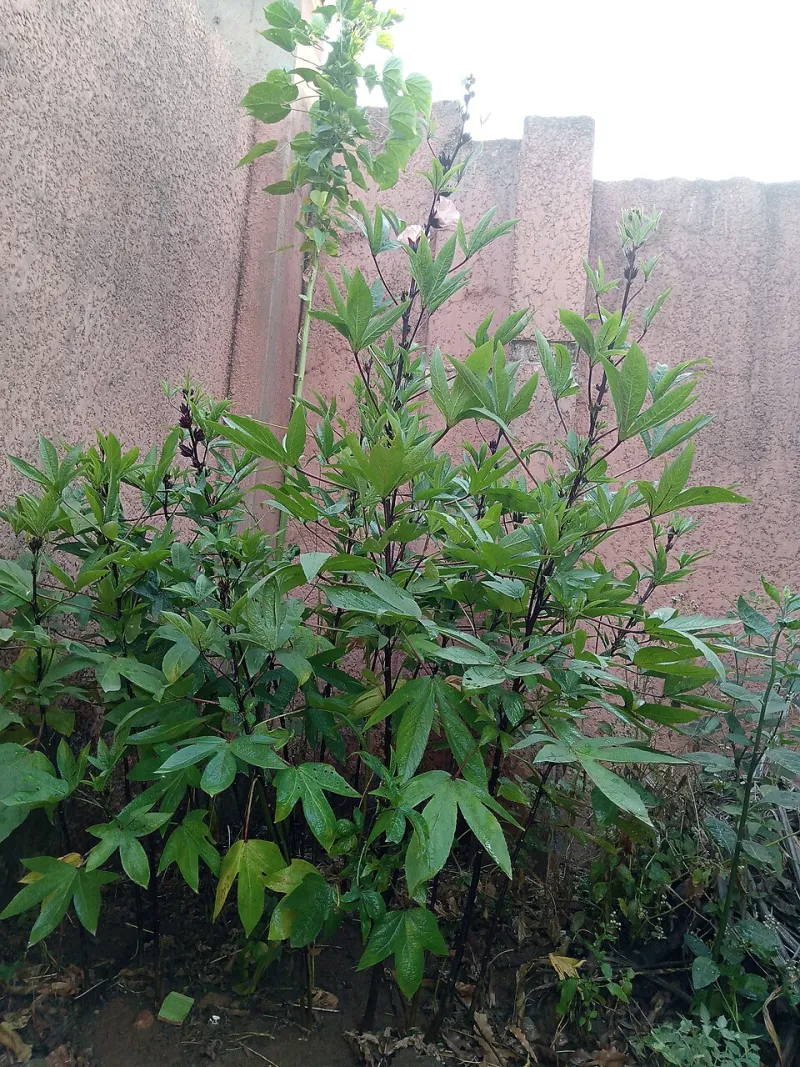
Grains of Paradise, lemongrass, and galangal are just the starting point. Once you get comfortable with those, there's a whole next level waiting — long pepper, kaffir lime leaf powder, dried hibiscus used as a spice rather than a tea, finger lime caviar as a finishing element. The flavor map keeps expanding the more you explore it.
At Sunny Days Hana Fru, this kind of exploration is exactly what we're about. Tropical flavors aren't just for island resorts and summer drinks — they belong in your everyday kitchen, in the recipes you make every week, making familiar things feel new again. Your spice rack deserves the upgrade.