Ditch the Drip: How Hibiscus Tea Is Quietly Taking Over the American Morning Cup
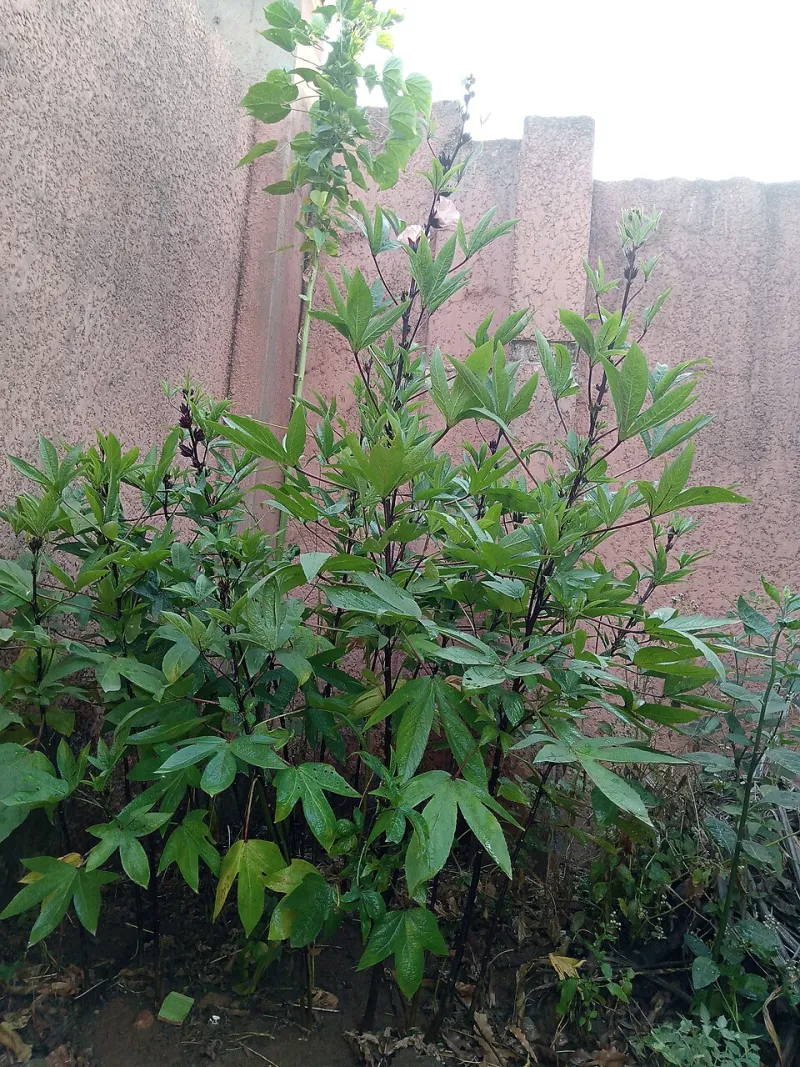
Photo: Zmu'az4Z, CC BY 4.0, via Wikimedia Commons
The Morning Drink Landscape Is Shifting
For most Americans, mornings and coffee are practically synonymous. The alarm goes off, the machine beeps, and that familiar bitter aroma fills the kitchen. It's a ritual baked into daily life. But something interesting has been brewing — literally — on the edges of that routine.
Hibiscus tea, made from the dried petals of Hibiscus sabdariffa, has been quietly climbing the ranks of morning beverages. You've probably spotted it at Whole Foods, seen it pop up on your favorite wellness influencer's feed, or noticed it tucked into the menu at that new café downtown. And it's not just a passing trend. This deep-crimson, tart, floral drink is starting to earn a permanent spot on American breakfast tables — and the reasons are genuinely compelling.
At Sunny Days Hana Fru, we're all about tropical and floral flavors that feel as good as they taste. Hibiscus is basically our spirit ingredient. So let's dig into what's actually going on with this floral brew and why it might deserve a spot in your morning rotation.
What Does Hibiscus Tea Actually Taste Like?
If you've never tried it, the flavor might surprise you. Hibiscus tea isn't soft or subtle — it's bold, tangy, and bright, kind of like a cranberry-pomegranate hybrid with a floral edge. Some people pick up a slight earthiness, while others describe it as almost candy-tart when served cold.
Hot, it's warming and complex. Iced, it's refreshing and punchy. Either way, it carries a natural vibrancy that plain black tea or even green tea can't quite match. That brightness is part of what makes it such an interesting coffee alternative — it wakes up your palate without needing any caffeine to do it.
Speaking of which...
The Caffeine Question: Is Hibiscus Tea Actually a Real Coffee Replacement?
Here's the honest answer: hibiscus tea is naturally caffeine-free. So if you're a hard-core espresso drinker who needs that jolt to function before 9 a.m., hibiscus alone isn't going to replicate that experience.
But that's kind of the point for a lot of people making the switch. A growing segment of US wellness consumers — particularly millennials and Gen Z adults — are actively trying to reduce their caffeine dependence. Anxiety, disrupted sleep, and afternoon energy crashes are pushing folks to look for alternatives that support energy through other means.
Hibiscus delivers what researchers call "functional" benefits that contribute to a sense of well-being without the stimulant spike-and-crash cycle. It's less about replacing caffeine and more about rethinking what you actually want from your morning drink.
What the Research Actually Says
Let's talk science for a second, because this isn't just vibes — there's legitimate research backing hibiscus's health profile.
Blood pressure support: Multiple studies, including a well-cited one published in the Journal of Nutrition, found that regular consumption of hibiscus tea was associated with meaningful reductions in systolic blood pressure in adults with mild hypertension. That's a pretty notable finding for a beverage.
Antioxidant activity: Hibiscus petals are rich in anthocyanins — the same plant compounds that give blueberries and red cabbage their deep colors. These antioxidants help neutralize free radicals in the body, which is linked to reduced inflammation over time.
Liver health markers: Some early research suggests hibiscus extract may support healthy liver enzyme levels, though scientists are quick to note that more human trials are needed before drawing firm conclusions.
Cholesterol: A handful of studies have explored hibiscus's potential to support healthier LDL cholesterol levels, with modest but promising results.
None of this makes hibiscus tea a miracle cure, and it shouldn't be treated as one. But as a daily beverage choice, the nutritional upside is real — and stacks up pretty favorably against a cup of black coffee, which offers antioxidants but also comes with acidity, potential gut irritation, and cortisol spikes for sensitive individuals.
How to Brew It Right
Brewing hibiscus tea is genuinely simple, but a few small details make a big difference in the final cup.
For a hot brew: Bring filtered water to about 200°F — just under a full boil. Add 1 to 2 tablespoons of dried hibiscus petals (or 1–2 tea bags) per 8 oz of water. Steep for 5 to 7 minutes. The longer you go, the more intense and tangy it gets. Strain and enjoy as-is, or sweeten lightly with honey or agave.
For iced hibiscus (cold brew method): This is honestly the best way to experience it in warmer months. Add dried petals to cold, filtered water at a ratio of about 2 tablespoons per 16 oz. Refrigerate overnight (8–12 hours). The cold extraction pulls out a smoother, less astringent flavor. Strain, pour over ice, and finish with a squeeze of lime.
Flavor boosters worth trying:
- A cinnamon stick steeped alongside the petals adds warmth
- Fresh ginger gives it a spicy kick that mimics coffee's boldness
- A splash of coconut water in the iced version makes it feel tropical and a little creamy
- Mint leaves stirred in right before serving brighten the whole cup
Building a Hibiscus Morning Ritual
One reason coffee is so sticky as a habit is that it comes with ritual — the grinding, the brewing, the smell, the mug in your hands. Hibiscus can absolutely build that same kind of intentional routine, and it actually benefits from a little ceremony.
Try this: the night before, set up your cold brew hibiscus in a mason jar and slide it in the fridge. In the morning, it's ready. Pour it over ice, squeeze in some citrus, and take five minutes before your phone comes out. That's your moment. It's not about replacing coffee's caffeine — it's about replacing coffee's role as a grounding ritual with something that feels equally intentional but gentler on your system.
For those who aren't ready to go fully caffeine-free, hibiscus blends beautifully with green tea or white tea. You get a light caffeine lift with the floral antioxidant boost layered in. Best of both worlds.
Where to Find Quality Hibiscus
Dried hibiscus petals (sometimes labeled flor de Jamaica, which is what they're called in Mexican cooking traditions) are widely available at Latin grocery stores across the US, often at very reasonable prices. You can also find them at Whole Foods, Sprouts, and online through specialty tea retailers.
Look for petals that are deep burgundy-red with a strong, tart aroma. Faded, brownish petals usually indicate age and will produce a flat-tasting brew. Organic sourcing is worth the small price bump if you can swing it, since you're steeping the whole flower.
The Bottom Line
Hibiscus tea isn't trying to be coffee. It's something different — floral, bold, functional, and genuinely beautiful in the cup. As more Americans reconsider what their morning drink is actually doing for them, this ruby-red brew offers a compelling case: real flavor, real research-backed benefits, and a ritual that feels as grounding as anything you'd get from a pour-over.
Tropical flavors blooming naturally — sounds like a morning worth waking up for.