Out with the Ordinary: Tropical Pantry Swaps That Honestly Taste Better Than the Original
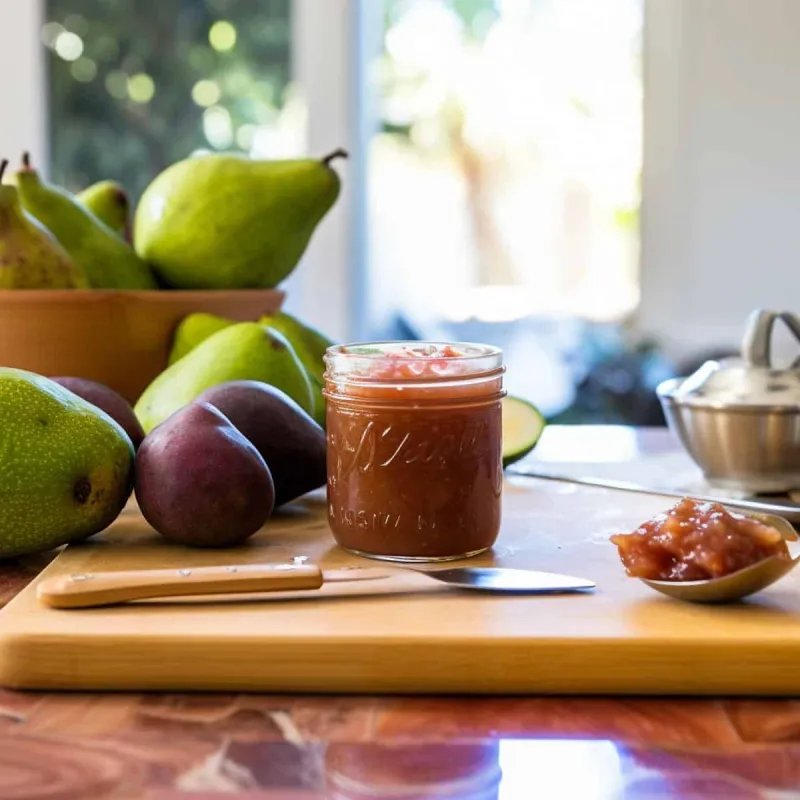
Photo: tropical pantry ingredients coconut aminos guava paste passion fruit kitchen counter, via www.castironketo.net
Let's be honest: most of us built our pantries on autopilot. Soy sauce because mom used it. Lemon juice because it's always there. Strawberry jam because, well, it was on sale. Nothing wrong with any of that. But once you start letting a few tropical ingredients slip into the rotation, it gets really hard to go back.
We're not talking about replacing everything overnight or turning your kitchen into a specialty grocery store. This is about a handful of smart, practical swaps that genuinely upgrade the flavor of food you're already making. Some of them are cheaper than you'd expect. Most of them are easier to find than they used to be. And all of them are worth trying at least once.
Coconut Aminos vs. Soy Sauce: The Swap You'll Actually Stick With
This one's been floating around health food circles for a while, but it's moved way past trend territory. Coconut aminos—made from the fermented sap of coconut blossoms—has a slightly sweeter, rounder flavor than soy sauce, with noticeably less sodium.
In a side-by-side taste test with a basic stir-fry, most people find coconut aminos gives the dish a deeper, more complex umami note without the sharp saltiness that can sometimes overpower everything else. It doesn't taste like coconut, so don't let the name throw you off.
Cost-wise, you're looking at around $5–$7 for a 10 oz bottle at stores like Whole Foods, Trader Joe's, or even Target now. A comparable bottle of premium soy sauce runs $4–$6, so the price gap is basically nothing. Bragg's and Coconut Secret are the two most widely available brands, and both are solid starting points.
Best used in: marinades, dipping sauces, fried rice, grain bowls, and anywhere soy sauce would normally go.
Passion Fruit Pulp Instead of Lemon Juice
Lemon juice is a workhorse. It brightens flavors, balances sweetness, and adds acidity to everything from salad dressings to baked goods. Passion fruit does all of that—and then some.
The acidity in passion fruit is real and effective, but it comes wrapped in a floral, tropical punch that lemon simply doesn't have. In a simple vinaigrette, swapping the lemon for passion fruit pulp turns something ordinary into something people ask about. In a curd or a tart filling, it's genuinely transformative.
Frozen passion fruit pulp (often found in the frozen section at Latin grocery stores or online) runs about $6–$8 per pound and goes a long way. Fresh passion fruits can be pricier and more seasonal, but they're worth grabbing when you see them.
The one thing to keep in mind: passion fruit is slightly sweeter than lemon, so if you're using it in a savory application, taste as you go and adjust other elements accordingly.
Best used in: salad dressings, dessert curds, cocktail mixers, marinades for chicken or fish, and yogurt parfaits.
Guava Paste Over Your Usual Jam
This might be the most underrated swap on this list. Guava paste—a dense, sliceable preserve popular throughout Latin America and the Caribbean—has a concentrated, jammy sweetness with a subtle tartness that most commercial strawberry or grape jams can't touch.
On a cheese board, it's already legendary. Paired with cream cheese or a sharp white cheddar on a cracker, it hits a sweet-savory balance that's genuinely hard to beat. But it works just as well spread on toast, swirled into oatmeal, or used as a glaze for pork or chicken.
You can find guava paste at most Latin grocery stores for around $3–$5 for an 8 oz block. Compare that to a jar of decent artisan jam running $7–$10, and guava paste starts looking like a bargain with better flavor.
Best used in: toast, cheese boards, pastry fillings, meat glazes, and cocktail garnishes.
Tamarind Paste Instead of Worcestershire Sauce
Worcestershire sauce is tangy, savory, and slightly mysterious. Tamarind paste is all of that—but louder. Made from the pulp of the tamarind fruit (native to tropical Africa and widely used across South Asia, the Caribbean, and Latin America), it delivers a deep, fruity sourness with an almost molasses-like undertone.
In a Bloody Mary, tamarind paste is a revelation. In a burger sauce or a slow-cooked braise, it adds layers that Worcestershire can't quite reach. A little goes a long way, and a jar or block of tamarind concentrate is inexpensive—usually $3–$5 and widely available at Asian and Latin grocery stores.
Best used in: cocktails, braised meats, dipping sauces, pad Thai (obviously), and salad dressings.
Coconut Sugar Instead of Brown Sugar
Coconut sugar is made from the nectar of coconut palm flowers, and it has a subtle caramel-butterscotch flavor that makes brown sugar taste almost one-dimensional by comparison. It behaves similarly in baking—same moisture, similar sweetness level—but it adds a gentle depth that's hard to pin down and easy to love.
It's not a perfect 1:1 swap in every single recipe (it can make cookies slightly drier), but in most applications—granola, banana bread, marinades, coffee—it works beautifully. Price is slightly higher than standard brown sugar, usually $5–$7 per pound, but a little awareness of where to buy it (Costco often carries it in bulk) helps close that gap.
Best used in: baked goods, granola, coffee and tea, marinades, and spice rubs.
The Bigger Picture
None of these swaps require a dramatic lifestyle overhaul. You don't need a specialty kitchen or a subscription box. Most of these ingredients are sitting on shelves at your nearest grocery store, Latin market, or Asian grocery—or they're a two-day Prime order away.
The real shift is just being willing to try something different when you run out of the usual thing. Because more often than not, what you reach for as a substitute ends up becoming the new standard. That's kind of how the best pantry upgrades always happen—quietly, one swap at a time.