Forget Apple Cider: Passion Fruit, Guava, and Pineapple Vinegars Are Taking Over American Pantries
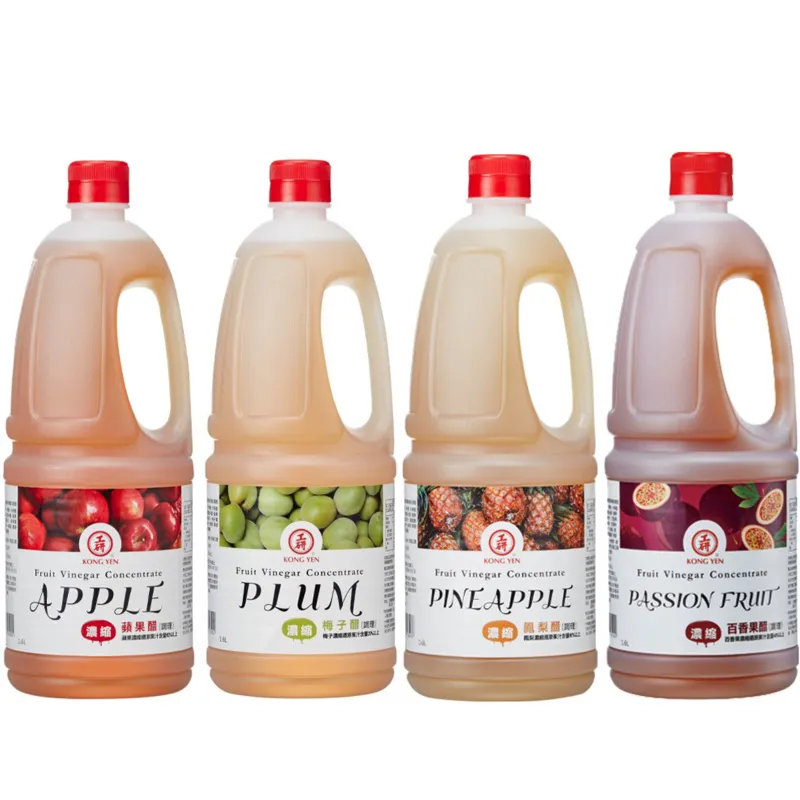
Photo: tropical fruit vinegar bottles pineapple passion fruit guava fermented, via down-sg.img.susercontent.com
For years, apple cider vinegar sat at the top of the wellness pantry pyramid — the go-to for gut health shots, salad dressings, and that oddly satisfying morning ritual where you wince and convince yourself it's doing something good. But something is shifting on American kitchen shelves. Increasingly, home cooks, health enthusiasts, and adventurous chefs are reaching past the apple cider and grabbing something with a lot more personality: tropical fruit vinegars made from passion fruit, guava, pineapple, and even tamarind.
This isn't a fringe trend. Specialty food retailers, farmers markets, and small-batch fermenters across the country are reporting growing demand for these fruit-forward fermented products. And once you taste them, it's not hard to understand why.
What Even Is Tropical Fruit Vinegar?
At its core, vinegar is fermented fruit juice — which means tropical fruits are actually a natural candidate for the process. Traditional vinegar production involves two fermentation steps: first, natural sugars convert to alcohol (just like making wine or cider), and then a second bacterial fermentation transforms that alcohol into acetic acid, giving vinegar its signature tang.
Tropical fruits are loaded with natural sugars, making them excellent fermentation candidates. Pineapple, for instance, ferments beautifully into a mellow, slightly floral vinegar that carries faint notes of caramel. Passion fruit vinegar tends to be more assertive — punchy and aromatic, with that distinctive musky sweetness the fruit is known for. Guava vinegar lands somewhere in the middle: subtly floral, lightly sweet, and surprisingly complex for something that comes out of a jar.
Many small producers also preserve what's called the "mother" — the natural culture of beneficial bacteria that forms during fermentation — in their tropical vinegars, just like you'd find in raw apple cider vinegar. That means you're getting the same probiotic-style benefits, just wrapped in a much more exciting flavor package.
The Health Angle That's Driving Adoption
American consumers have been trained by the wellness industry to view fermented foods as gut-friendly gold. Kombucha, kimchi, kefir — fermented products have had a serious mainstream moment, and fruit vinegars are riding that same wave.
Tropical fruits bring their own nutritional story to the table. Guava is one of the most vitamin C-dense fruits on the planet, and while fermentation does alter some nutrients, many of the antioxidant compounds survive the process. Pineapple contains bromelain, an enzyme with anti-inflammatory properties that has attracted significant research attention. Passion fruit is rich in flavonoids and has been studied for its potential calming and sleep-supporting effects.
When these fruits are fermented into vinegar, the acetic acid itself contributes benefits that researchers have associated with blood sugar regulation and digestive support — the same properties that made apple cider vinegar famous. The difference is that tropical vinegars deliver those benefits alongside flavor profiles that people actually enjoy, which makes them far easier to incorporate into daily routines without holding your nose.
Wellness shots — those tiny, potent gulps of concentrated health ingredients — are a particularly popular application. A shot of passion fruit vinegar diluted with a little sparkling water, a pinch of cayenne, and some fresh ginger hits differently than the standard ACV version. It's something you might actually look forward to.
Who's Making These Products in the US?
The tropical vinegar space is still young enough that small-batch producers and home fermenters are largely leading the charge, though that's starting to change.
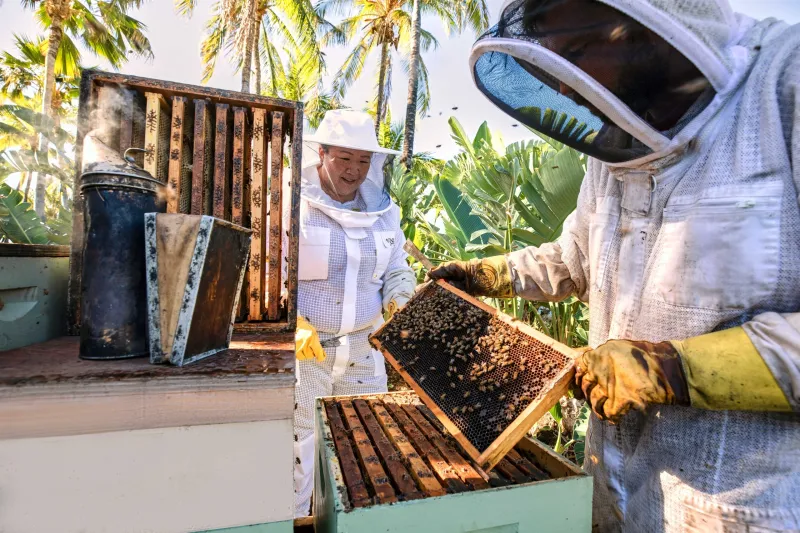
In Florida and Hawaii — states with genuine tropical agriculture — small food businesses have been quietly fermenting local pineapple and guava into vinegars for regional farmers markets and specialty stores. Some are second-generation producers whose families have been making fruit vinegars for decades using techniques rooted in Caribbean and Southeast Asian culinary traditions, where fruit vinegars have long been a pantry staple.
Home fermenters have also played a huge role in spreading the trend. Online communities dedicated to fermentation have seen a notable uptick in posts about tropical fruit vinegar projects, with members sharing everything from pineapple core vinegar recipes (a zero-waste win) to elaborate passion fruit blends. The accessibility is part of the appeal — if you can make a batch of kombucha, you can make tropical fruit vinegar with a little patience and the right fruit.
A handful of emerging specialty brands are now bottling and shipping nationally, showing up on sites like Goldbelly and in natural grocery chains. Expect to see this category expand significantly over the next few years as consumer awareness grows.
Cooking With Tropical Vinegars: Where to Start
If you're new to these products, the learning curve is genuinely fun. Tropical fruit vinegars behave similarly to other fruit vinegars in cooking, but their flavor profiles open up some unexpected doors.
Salad dressings are the easiest entry point. Swap your usual white wine vinegar for guava vinegar in a simple vinaigrette and pair it with arugula, fresh mango, and toasted pepitas. The result is a dressing that tastes like it came from a restaurant that knows what it's doing.
Marinades are another natural fit. Pineapple vinegar works brilliantly as a base for marinading chicken or pork — the natural acidity tenderizes the meat while the tropical notes add depth that plain citrus can't quite match.
Cocktails and mocktails are where things get really interesting. A splash of passion fruit vinegar in a sparkling water mocktail, or stirred into a mezcal-based cocktail with a salted rim, adds a layer of complexity that bartenders are starting to take seriously. Shrubs — sweetened drinking vinegars mixed with soda — have been a craft cocktail staple for years, and tropical fruit vinegars make some of the best shrubs you'll ever taste.
Glazes and finishing sauces benefit from a hit of tropical vinegar near the end of cooking. A reduction of guava vinegar with a little honey makes a gorgeous glaze for salmon or roasted carrots.
Making Your Own at Home
The simplest starting point is pineapple core vinegar, which is both economical and beginner-friendly. Save the cores and rinds from a few pineapples, submerge them in water with a small amount of sugar, cover loosely with cheesecloth, and let natural fermentation begin. After a week or two of fermentation into a light alcohol, introduce a vinegar mother (or a splash of raw ACV to get things going) and allow the acetic acid fermentation to complete over several weeks. The result is a pale golden vinegar with a gentle tropical sweetness that's genuinely unlike anything you can buy.
Passion fruit vinegar takes a bit more investment since the fruit is pricier, but the payoff is a product that feels genuinely special — the kind of thing you'll find yourself putting on everything.
The Bigger Picture
The rise of tropical fruit vinegars is part of a broader shift in how Americans think about fermented foods, pantry staples, and flavor. People are more curious than ever about where their ingredients come from, how they're made, and what they can do beyond the obvious. Tropical fruit vinegars check every one of those boxes — they're rooted in real fermentation tradition, they carry genuine nutritional interest, and they taste like sunshine in a bottle.
Apple cider vinegar isn't going anywhere. But it might be about to share the shelf.