Hive Meets Paradise: Why American Beekeepers Are Chasing Tropical Blooms for the World's Most Unusual Honeys
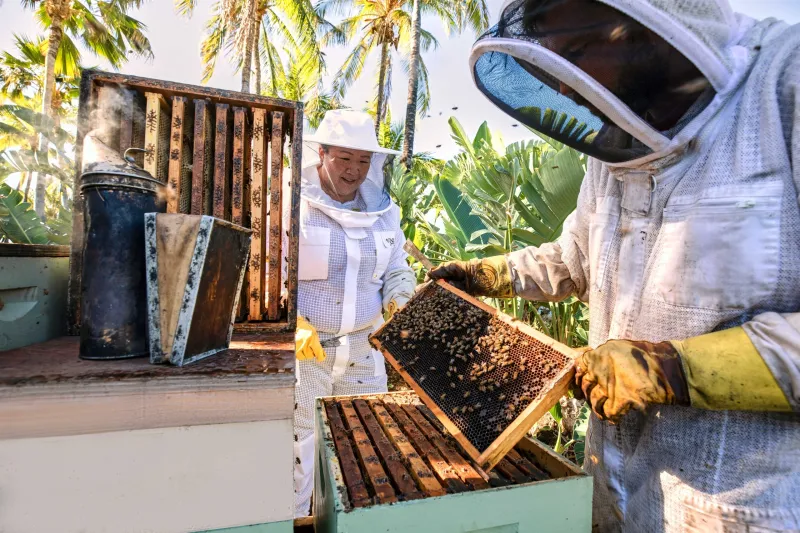
Photo: beekeeper harvesting tropical flower honey Hawaii, via www.fairmontorchid.com
There's a jar sitting on a shelf at a specialty food shop in Portland, Oregon. It's small — maybe eight ounces — and it costs $38. Next to it, a perfectly respectable wildflower honey from a local farm runs about $12. The expensive one? It's a single-origin passion flower honey, harvested from an apiary tucked into a volcanic hillside in Hawaii. And it sells out every time it comes in.
Something is happening in the American honey world, and it goes way beyond the usual clover-versus-buckwheat debate. A growing number of US beekeepers are deliberately relocating or expanding their operations into tropical regions — Hawaii, Puerto Rico, and even internationally managed apiaries in places like Costa Rica — specifically to tap into the extraordinary floral diversity that tropical ecosystems offer. The result is a wave of exotic honey varietals landing on American gourmet shelves, and food lovers are paying close attention.
Why Tropical Blooms Make Such Extraordinary Honey
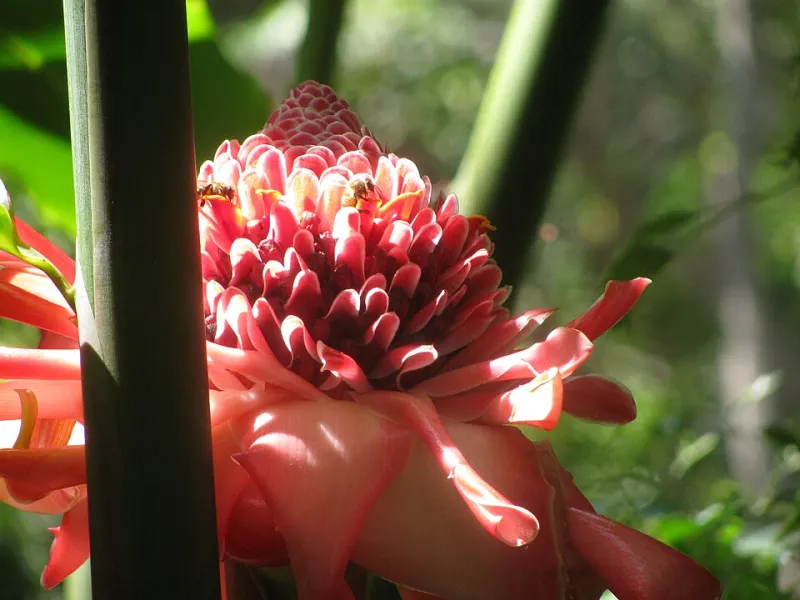
Honey gets its character from nectar, and nectar is essentially the personality of the flower it comes from. In temperate climates, bees forage across a relatively limited botanical menu depending on the season. But in tropical zones, flowering is year-round, layered, and wildly diverse. Bees working a Hawaiian hillside might visit passion flower, ginger blossom, and native ʻōhiʻa lehua all within the same foraging radius. That botanical complexity translates directly into honey that tastes like nothing you've ever drizzled on a biscuit.
Passion flower honey, for instance, carries a distinctly fruity, almost tangy quality — floral up front with a subtle tartness that lingers. Ylang-ylang honey, sourced from the intensely perfumed tropical tree famous in the fragrance industry, produces something almost impossibly aromatic: sweet and heady with a creamy, almost custard-like finish. And orchid-influenced honeys, rarer still, are described by tasters as delicate and grassy, with a clean sweetness that doesn't overwhelm.
The science behind this is rooted in volatile organic compounds — the aromatic molecules that give flowers their scent. When bees collect nectar, trace amounts of these compounds make it into the final honey. In tropical flowers, which have evolved to attract pollinators in a highly competitive ecosystem, these compounds are often more concentrated and more complex than in their temperate counterparts. That's part of why a tropical honey can genuinely stop you mid-bite.
The Beekeepers Chasing the Bloom
Meet the people actually doing this work, and you'll find a mix of idealism, obsession, and genuine business savvy. Marcus Delray, a beekeeper originally from Vermont, relocated part of his operation to the Big Island of Hawaii eight years ago after tasting a macadamia blossom honey at a farmers market and, as he puts it, "completely losing my mind over it."
"I went home and couldn't stop thinking about it," he says. "I knew there was something happening in tropical apiculture that most mainland beekeepers weren't paying attention to."
Delray now manages hives in three distinct microclimates across Hawaii, each producing noticeably different honey profiles. His passion flower varietal — harvested during the brief window when the blooms are most prolific — is limited to a few hundred jars per season. He sells directly to specialty retailers and through a small-batch subscription that waitlists customers months in advance.
In Puerto Rico, a similar story is unfolding. Daniela Reyes, a third-generation beekeeper from San Juan, has spent the last decade refining her family's operation to focus on single-origin tropical varietals. Her ylang-ylang honey, produced near a grove of trees originally planted for the island's historic perfume trade, has caught the attention of pastry chefs in New York and Miami who use it as a finishing element in desserts where a conventional honey would simply fall flat.
"Ylang-ylang honey is not something you cook with at high heat," Reyes explains. "You use it the way a chef uses a really good finishing salt — just a little, at the end, where it can actually be tasted."
What You're Actually Paying For
Let's be real: $35 to $45 for a small jar of honey is a commitment. So what exactly justifies the price tag?
A few things, actually. First, yield. Tropical single-origin honeys are produced in small quantities by design — the beekeeper is managing hives in a specific location to capture a specific floral source, not maximizing output. Second, labor and logistics. Operating an apiary in Hawaii or Puerto Rico involves costs that a Midwest honey farm simply doesn't face — land, climate management, shipping, and in some cases working within stricter agricultural regulations. Third, the product itself is genuinely different in ways that matter if you care about flavor.
From a food science standpoint, the moisture content, sugar ratios, and enzyme activity in tropical honeys can also differ meaningfully from conventional varieties. Some tropical honeys crystallize more slowly or not at all due to their higher fructose content — which is itself a reflection of the nectar chemistry of the source flowers.
And then there's the rarity factor. A passion flower honey harvested from a single hillside in a single season is, in the most literal sense, irreplaceable. Next season's batch will be similar but not identical — weather, bloom timing, and hive health all shift the flavor profile slightly. That variability is actually part of the appeal for serious honey enthusiasts, who track harvests the way wine collectors track vintages.
How to Use Tropical Honey Without Wasting It
If you're going to spend real money on a jar of ylang-ylang or orchid honey, you want to use it where it counts. Here are a few approaches worth trying:
- As a finishing drizzle. Over fresh chèvre, a ripe slice of mango, or a simple bowl of Greek yogurt, tropical honey shines without competition.
- In vinaigrette. A small amount whisked into a citrus-based dressing adds floral complexity that works beautifully over tropical fruit salads or arugula.
- With cheese boards. The more aromatic tropical varietals — ylang-ylang especially — pair surprisingly well with sharp aged cheeses, where the contrast between savory and floral is genuinely striking.
- In cocktails. A half-teaspoon stirred into a rum-based drink or a sparkling hibiscus spritz adds depth that simple syrup just can't replicate.
What you probably don't want to do is bake with it at high temperatures, where those volatile aromatic compounds will cook off and you'll lose the very thing you paid for.
The Bigger Picture
The tropical honey movement isn't just a niche food trend — it's part of a broader shift in how American food culture thinks about provenance, craft, and flavor complexity. The same sensibility that turned craft beer and single-origin coffee into mainstream obsessions is now working its way through the honey aisle.
For beekeepers like Delray and Reyes, that's genuinely exciting. It means their work — the careful, season-by-season cultivation of something rare and place-specific — has an audience that appreciates it. And for the rest of us, it means that the world of honey just got a whole lot more interesting than we thought.
Next time you see an unusual jar on a specialty shelf, maybe don't walk past it. Read the label. Ask where the bees were foraging. There's a whole tropical landscape in there, and honestly, it's worth every penny.