From Blossom to Jar: How Tropical Flower Honeys Are Stealing the Sweetener Spotlight
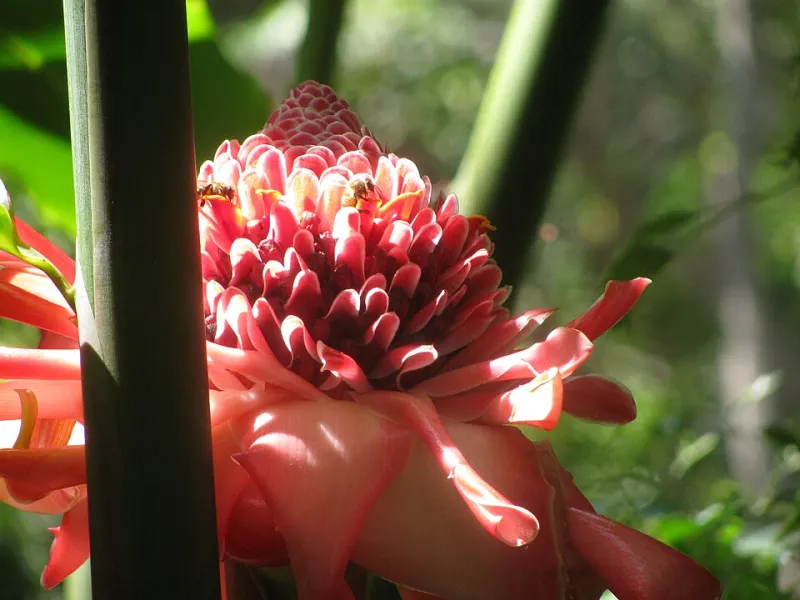
Photo: Forest and Kim Starr, CC BY 3.0 us, via Wikimedia Commons
For most of American culinary history, honey meant one of two things: that plastic bear-shaped bottle from the grocery store, or maybe a fancy local wildflower variety from the farmers market. Both perfectly fine. Neither particularly exciting. But lately, something more interesting has been creeping into specialty food shops, natural grocers, and online pantry hauls — tropical flower honeys that smell like a vacation and taste like nothing you've squeezed out of a bear bottle before.
Passion fruit blossom honey. Guava flower honey. Varieties traced back to orchid-rich forests in Hawaii and small apiaries in Florida's subtropical south. These aren't gimmicks. They represent a genuine shift in how American consumers are thinking about sweeteners — and the bees behind them are doing some seriously flavorful work.
Why Tropical Blooms Make Such Distinctive Honey
Honey gets its flavor almost entirely from the nectar of whatever flowers the bees are visiting. That's the whole science of it, and it's why a jar of buckwheat honey tastes almost molasses-dark while orange blossom honey is delicate and citrusy. Tropical flowers tend to have nectars that are unusually rich in aromatic compounds — the same volatile molecules responsible for the intoxicating scent of a fresh passion fruit or the gentle sweetness of a guava cut open on a warm morning.
When bees collect that nectar and convert it into honey, those aromatic compounds don't fully disappear. They concentrate. A well-produced passion fruit blossom honey carries a faint, almost fermented fruitiness underneath its sweetness — not overpowering, but unmistakably there. Guava flower honey tends to be lighter in color with a floral, slightly musky finish that lingers longer than standard clover. Orchid-adjacent honeys (often produced in Hawaii from bees foraging near native orchid populations) can lean almost savory at the edges, with a complexity that surprises people who were expecting plain sweet.
This isn't just marketing language. The distinct flavor profiles come down to measurable differences in sugar ratios, enzyme activity during processing, and the presence of those aromatic compounds — all of which vary significantly between nectar sources.
Where These Honeys Actually Come From
The American domestic supply of tropical flower honey is still small but growing. Hawaii is the most established source, with apiaries on the Big Island and Maui producing small-batch honeys from macadamia blossoms, lehua flowers, and occasionally rarer tropical varieties depending on what's blooming nearby. Florida is another hub — the state's subtropical climate supports guava, passion fruit, and citrus groves that local beekeepers have been working for decades, though specialty tropical varieties are becoming more intentional and labeled rather than just folded into generic wildflower blends.
Beyond domestic production, a growing number of importers are bringing certified honeys from Costa Rica, Mexico's Yucatán Peninsula, and parts of the Caribbean. The key thing to look for when buying imported varieties is traceability — reputable producers will tell you the region, the dominant bloom, and often the harvest season. Vague labels that just say "tropical honey" without specifics are worth skipping.
How the Flavor Compares to What You Already Know
If you've only ever cooked with standard grocery store honey, the jump to a quality tropical flower variety can feel almost dramatic. Here's a rough cheat sheet:
- Passion fruit blossom honey — fruity, slightly tangy undertone, medium amber color. Tastes almost like someone whispered passion fruit into a jar of honey without adding any actual fruit.
- Guava flower honey — lighter, floral, subtly tropical. Less assertive than passion fruit, more versatile for delicate applications.
- Macadamia blossom honey — buttery and mild with a nutty whisper. One of the most approachable tropical honeys for people new to the category.
- Lehua honey (from Hawaii's ohia lehua flower) — creamy white, uniquely thick, with a clean sweetness and mild floral finish. It naturally crystallizes quickly, which is actually a quality indicator, not a flaw.
Practical Ways to Actually Use Them
This is where it gets fun. Tropical flower honeys aren't just for drizzling on artisan cheese boards (though they're excellent there). They're genuinely useful in everyday cooking once you understand where their flavors shine.
Morning toast and yogurt: Guava flower honey on Greek yogurt with a handful of granola is a simple upgrade that costs almost no extra effort. The floral notes play beautifully against the tang of the yogurt in a way that regular honey doesn't quite achieve.
Cocktails and mocktails: Honey syrups — made by dissolving honey in equal parts warm water — are a bartender's trick that home cooks can absolutely steal. A passion fruit blossom honey syrup added to a sparkling water with fresh lime and a few mint leaves is a mocktail that tastes like it came from a resort menu. For cocktails, try it in a rum-based drink or a mezcal sour where the honey's complexity holds its own against stronger spirits.
Baking: Swapping standard honey for a tropical variety in a banana bread or muffin recipe adds a background layer of flavor that most people can't quite identify but definitely enjoy. Because tropical flower honeys tend to be slightly more aromatic, start by replacing about half the sweetener in a recipe before going all-in.
Glazes and marinades: Macadamia blossom honey makes an outstanding glaze for roasted chicken or pork because its buttery, mild sweetness caramelizes without tipping into cloying territory. Mix it with a little soy sauce, ginger, and garlic for a marinade that leans tropical without screaming it.
Tea and coffee: A small spoonful of lehua honey in a cup of black tea or a lightly roasted coffee is one of the easiest ways to start exploring these flavors. The honey dissolves cleanly and adds a layer of complexity without competing with the drink.
The Natural Sweetener Angle
Part of why tropical flower honeys are resonating with American consumers right now is the broader shift away from refined sugars and artificial sweeteners. Honey has always occupied a comfortable middle ground — it's sweet, it's natural, and it comes with trace enzymes and antioxidants that refined sugar lacks. Tropical varieties add one more layer to that story: genuine flavor complexity that means you often need less of it to achieve the sweetness you're after.
That's not a small thing in practical cooking terms. A more flavorful sweetener used in smaller quantities is a genuinely useful pantry upgrade, not just a trendy one.
If you've been meaning to explore beyond your standard grocery store options, a small jar of guava flower or macadamia blossom honey is a low-commitment starting point. Chances are it'll earn a permanent spot on your shelf pretty quickly.