From Your Smoothie to Your Skincare Shelf: How Hibiscus, Orchid, and Plumeria Are Changing the Beauty Game
If you've been following the tropical ingredient wave sweeping American kitchens, you already know that hibiscus, orchid, and plumeria are more than just pretty faces. They've been earning their place in teas, syrups, and cocktail garnishes for years now. But lately, something interesting is happening outside the kitchen — these same blooms are landing on the skincare shelves of indie beauty brands, wellness boutiques, and even mainstream retailers across the US. And honestly? The science behind it is just as fascinating as the flavor.
We dug into why tropical flower extracts are having such a serious moment in American beauty culture, talked to a few folks who work closely with these plants, and came away with a lot more appreciation for what's packed inside a single tropical petal.
Why Tropical Flowers, and Why Now?
The short answer is: consumers are paying closer attention to ingredient labels. According to a 2023 report from the Natural Marketing Institute, over 60% of American shoppers now actively seek out plant-based or botanically-derived ingredients in their personal care products. That's a significant shift from even five years ago, when "natural" beauty was still considered more of a niche lifestyle choice.
Tropical flowers fit neatly into this demand because they're inherently associated with lush, sun-drenched environments where plants have evolved to be incredibly resilient. Think about it — a hibiscus flower blooming in Hawaii or a plumeria surviving the intense humidity of Southeast Asia has developed some serious protective chemistry just to exist. That same chemistry is what makes these extracts interesting to formulators and botanists alike.
Dr. Priya Mehta, a botanist based in Miami who consults with several Florida-based wellness brands, put it simply: "Tropical plants experience extreme UV exposure, high oxidative stress, and dramatic humidity swings. They produce antioxidants, polyphenols, and other bioactive compounds in concentrations you just don't see in temperate climate plants. When we extract those compounds thoughtfully, you're working with something genuinely potent."
Hibiscus: The Overachiever of the Flower World
If hibiscus were a student, it would be the one staying after class to do extra credit. This flower is already beloved in the food world for its tart, cranberry-like flavor and its gorgeous ruby color — but its skincare credentials are equally impressive.
Hibiscus is rich in alpha-hydroxy acids (AHAs), particularly citric and malic acid, which are the same gentle exfoliating acids you'll find in high-end chemical exfoliant serums. It also contains anthocyanins — the pigments that give it that deep red hue — which function as powerful antioxidants. Some formulators have started calling it "nature's Botox," though that's a bit of a stretch. What's more accurate is that hibiscus extract has demonstrated real ability to inhibit elastase, an enzyme that breaks down elastin in the skin.
Brands like Cocokind and several smaller Etsy-based apothecaries have been incorporating hibiscus extract into toners and serums for a few years now, but the ingredient is moving upstream fast. You'll spot it in products at Whole Foods, Target's natural beauty section, and increasingly in dermatologist-recommended lines.
Orchid: The Luxury Ingredient That's Actually Earning Its Price Tag
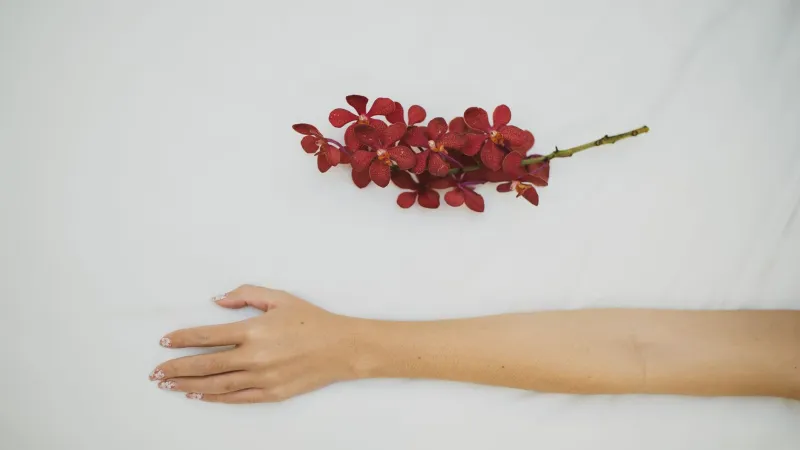
Orchid extract has long been associated with high-end European skincare — the kind that comes in frosted glass jars with price tags that make you wince. But as sourcing has become more efficient and American brands have started cultivating relationships with tropical orchid growers in places like Thailand, Ecuador, and even parts of Hawaii, the ingredient is becoming more accessible.
What makes orchid extract worth the attention? For starters, it contains a complex mix of polysaccharides, glucomannan, and trace minerals that work together to support the skin's moisture barrier. It also has natural film-forming properties, meaning it helps lock hydration in without feeling heavy or greasy — a quality that's particularly appealing in warm-weather climates where heavy creams feel suffocating.
Jasmine Tran, co-founder of a small Los Angeles-based botanical beauty brand called Petal & Root, sources her orchid extract from a family-owned farm in Northern Thailand. "There's a reason orchid has been used in traditional Asian skincare for centuries," she told us. "It's not just marketing. The plant produces these incredible compounds specifically to attract pollinators and survive in humid, competitive environments. We're just learning to work with what's already there."
Tran's brand recently launched an orchid-infused face mist that sold out within two weeks of its debut on her website — a sign that American consumers are more than ready to embrace this ingredient.
Plumeria: The Underdog You Haven't Tried Yet
If hibiscus is the overachiever and orchid is the luxury darling, plumeria is the quiet newcomer that's about to have its breakout moment. Most Americans know plumeria from Hawaiian leis or as a decorative plant on vacation — but its extract is starting to show up in body lotions, hair oils, and even lip care products.
Plumeria contains iridoids, a class of compounds with documented anti-inflammatory and antimicrobial properties. Early research, including studies from Thai and Indian universities, suggests that plumeria extract may help soothe irritated skin and support wound healing. While US-based clinical trials are still limited, the ethnobotanical track record is long and fairly consistent.
What's particularly interesting from a formulation standpoint is plumeria's natural fragrance profile. Many synthetic floral fragrances in mainstream beauty products are derived from petrochemicals and are among the most common skin sensitizers. Plumeria extract, used at appropriate concentrations, can contribute genuine floral scent without the same sensitization risk — a meaningful distinction for the growing number of Americans dealing with fragrance sensitivities.
The Kitchen-to-Cabinet Pipeline
One thing that's genuinely fun about this trend, from a Sunny Days Hana Fru perspective, is how naturally it flows from our kitchen obsessions. The same hibiscus you've been brewing into a tart iced tea all summer? It's working overtime in your serum. The orchid garnish on your tropical cocktail? Its botanical cousins are showing up in your moisturizer.
This overlap isn't a coincidence. Consumers who've become curious about where their food comes from are asking the same questions about their skincare. They want to understand the plant, its origin, and why it works — not just see a pretty word on a label.
Dr. Mehta sees this as part of a broader cultural shift. "People are starting to understand that food and skincare aren't really separate categories when it comes to plant chemistry. A polyphenol that reduces oxidative stress in your body can do similar things topically. The delivery method is different, but the plant doesn't know the difference."
What to Look For When Shopping
If you're curious about trying tropical flower-based skincare, a few things are worth keeping in mind. Look for products that list the botanical extract (not just "fragrance" or "floral blend") and ideally include the Latin plant name — Hibiscus sabdariffa, Dendrobium species for orchid, or Plumeria rubra for plumeria. This signals that the brand is working with actual botanical material rather than a synthetic approximation.
Also pay attention to where the extract falls in the ingredient list. Higher up generally means a higher concentration, though even small amounts of potent plant actives can be effective.
The tropical flower trend in skincare is still early enough that there's room to be a thoughtful early adopter. And if you've already been cooking with these blooms, you're already halfway to understanding why they're worth paying attention to — in every room of the house.