Your Morning Coffee Called — It Wants a Flower Sugar Upgrade

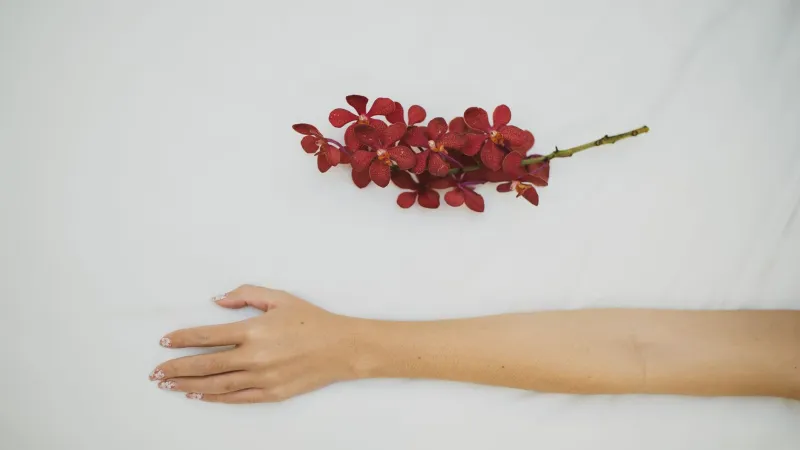
Photo by Photo by Licia Gavina on Unsplash on Unsplash
There's a moment — usually around 7 a.m., half-awake, reaching for the sugar bowl — when most of us are running on pure autopilot. White sugar goes in, we stir, we move on. But what if that tiny ritual could taste like something? What if your morning cup carried a whisper of jasmine, or a faint warmth of ylang-ylang that made you actually stop and notice your coffee for once?
That's the promise of edible flower sugars, and honestly, it's a promise worth paying attention to.
Flower-infused sugars have been floating around specialty food circles for a few years now, but they've mostly been associated with lavender and rose — beautiful, sure, but a little expected. The newer wave of tropical flower sugars is a different story. We're talking about passion flower, ylang-ylang, hibiscus, plumeria, and even butterfly pea flower making their way into artisan sugar blends that are showing up at farmers markets, boutique grocery stores, and small-batch food shops across the country. And once you try one in your coffee, it's genuinely hard to go back.
What Exactly Is a Flower Sugar (and Why Does It Work)?
At its most basic, a flower sugar is exactly what it sounds like: granulated or raw sugar that's been infused with the aromatic compounds from edible flowers. The process draws on some pretty straightforward food science. Sugar is hygroscopic, meaning it naturally absorbs moisture and scent from whatever it's stored near. When you layer dried flowers between sugar and let the whole thing sit, the sugar slowly pulls in the volatile aromatic compounds — the terpenes, esters, and aldehydes — that give each bloom its distinctive scent and flavor.
The result isn't just sweet. It's layered. Ylang-ylang sugar has a slightly creamy, almost custard-like sweetness with a floral top note that's heady but not perfumey. Jasmine sugar smells like a warm evening and tastes delicate enough that it elevates tea and cold brew without overwhelming them. Passion flower sugar carries an earthy, faintly herbal quality that pairs surprisingly well with dark roast coffee or even a mezcal cocktail.
Because the infusion is passive — no heat involved — the aromatic profile stays bright and true to the flower. That's a key distinction from flower syrups, which are cooked and can lose some of their more delicate notes in the process.
Making Your Own at Home Is Way Easier Than It Sounds
You don't need a culinary degree or a specialty kitchen setup. You need sugar, dried edible flowers, a clean jar, and about a week of patience.
Basic Flower Sugar Method:
- Start with 1 cup of granulated white sugar or raw turbinado sugar (turbinado adds a lovely molasses depth that works especially well with hibiscus and passion flower).
- Add 2 to 3 tablespoons of dried edible flowers — make sure they're food-grade and sourced from a reputable supplier. Not all dried flowers sold for crafts are safe to eat.
- Layer the flowers and sugar in a clean glass jar, alternating as you go so the blooms are distributed throughout.
- Seal the jar and give it a gentle shake. Store it somewhere cool and dark.
- Shake or stir it once a day. In 5 to 7 days, your sugar will have absorbed the floral aroma. You can sift out the flowers or leave them in for visual effect — both work.
For stronger infusions, let it go a full two weeks. The flavor deepens significantly.
A few combinations worth trying right away:
- Dried jasmine + white sugar → stir into green tea or pour-over coffee
- Dried hibiscus + raw sugar → rim a margarita glass or sweeten a sparkling water
- Dried butterfly pea flower + white sugar → dissolve in lemonade for a color-changing drink that'll genuinely impress people
- Ylang-ylang petals + coconut sugar → mix into a vanilla latte or use in shortbread cookies
What Small-Batch Producers Are Doing With This
Artisan food producers around the country have been leaning hard into this category, and the creativity they're bringing is worth noting. Small operations specializing in tropical ingredients are blending flower sugars with complementary botanicals — think passion flower and cardamom, or plumeria and vanilla bean — to create layered flavor profiles that feel more like a perfumer's work than a baker's.
Some producers are also experimenting with sugar type as a flavor variable. Demerara sugar, with its larger crystals and caramel undertones, holds aromatic compounds differently than fine white sugar and releases them more slowly when dissolved in a hot drink. That slow release means a cup of coffee sweetened with ylang-ylang demerara sugar actually shifts flavor as it cools — floral notes become more pronounced as the temperature drops. It's a small thing, but it's the kind of detail that makes drinking something feel like an experience rather than a habit.
A few specialty producers are also cold-pressing fresh tropical flowers directly into wet sugar pastes — a more intensive process that yields a more vibrant, almost electric flavor — but those tend to have a shorter shelf life and need refrigeration. Worth seeking out at a local specialty market if you want to try the more intense version.
Unexpected Pairings That Will Change How You Think About Sweeteners
The real fun starts when you move flower sugars beyond the obvious. Yes, they're beautiful stirred into coffee or tea. But here's where things get interesting:
Cocktails and mocktails: Dissolve hibiscus sugar into warm water to make a quick floral simple syrup that doesn't require any cooking. Use it in a paloma, a gin fizz, or a sparkling mocktail with lime and ginger beer.
Savory applications: A pinch of jasmine sugar in a salad dressing, especially one with citrus and sesame, is a genuinely surprising move that works. The floral sweetness rounds out acidity beautifully.
Baking: Sprinkle ylang-ylang sugar over the top of a pound cake or shortbread before baking. The heat caramelizes the sugar while preserving enough of the floral note to make the finished product smell incredible.
Rimming glasses: This is the easiest entry point. Mix flower sugar with a little citric acid or fleur de sel and rim a cocktail glass. It looks stunning and it tastes even better.
Whipped cream: Add a spoonful of passion flower sugar to heavy cream before whipping. The result is a lightly floral, not-too-sweet topping that's excellent on tropical fruit or hot chocolate.
The Bigger Picture
What's driving this trend isn't just aesthetics, though the visual appeal of a jar full of sugar threaded with dried petals is undeniably part of it. There's a real appetite in the US right now for ingredients that do more than one job — that bring flavor complexity and sensory experience to everyday rituals, not just special occasions.
Flower sugars sit right at that intersection. They're accessible (you can make them at home for a few dollars), they're natural, and they transform something as mundane as sweetening a cup of coffee into a small, genuinely pleasurable moment.
At Sunny Days Hana Fru, we're pretty convinced that's worth a week of shaking a jar in your pantry. Give it a try — your 7 a.m. self will thank you.