Gut Feelings, Tropical Edition: Why Mango, Papaya, and Hibiscus Ferments Are the New Wellness Frontier
Let's be honest — most of us have a half-finished bottle of kombucha in the fridge right now. It's become the default gut-health drink, the thing you grab when you're trying to be a little more intentional about what you put in your body. And kombucha is great! But the fermentation world is a whole lot bigger and a whole lot more interesting than that one fizzy tea.
Enter tropical fermentation. Mango, papaya, hibiscus, tamarind, and even passion fruit are finding their way into fermentation crocks, glass jars, and small-batch production facilities across the country. It's a trend that sits right at the intersection of gut health, global food culture, and the very American obsession with finding the next big wellness thing. And honestly? This one has some serious staying power.
Why Tropical Ingredients Are Such a Natural Fit for Fermentation
Here's the food science piece that makes this so exciting. Fermentation is all about creating the right environment for beneficial microorganisms — bacteria, yeasts, and sometimes molds — to break down sugars and starches and produce all those gut-loving byproducts like lactic acid, enzymes, and live cultures.
Tropical fruits are naturally loaded with sugars, which gives fermentation cultures plenty to work with. But it goes deeper than that. Papaya, for instance, contains papain — a naturally occurring enzyme that's already doing a kind of pre-digestive work on proteins. When you ferment papaya, you're layering microbial activity on top of an ingredient that's already enzymatically active. The result is a product that's not just probiotic-rich but also potentially easier on digestion than a lot of other fermented foods.
Mango brings a different profile. High in natural fructose and loaded with polyphenols, fermented mango creates a substrate that certain strains of Lactobacillus bacteria absolutely thrive in. Researchers studying traditional fermented mango preparations from South and Southeast Asia have found significant populations of beneficial bacteria in naturally fermented versions — which tracks with why these preparations have been used for generations in those food cultures.
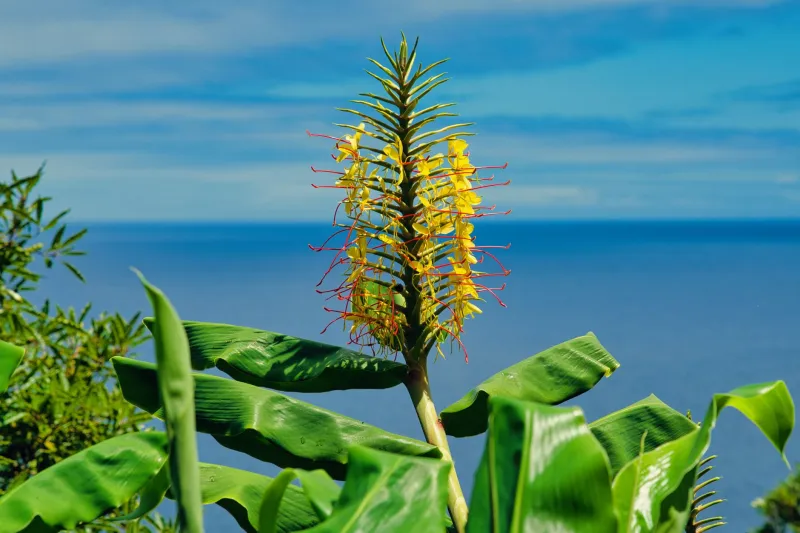
And then there's hibiscus. The tart, cranberry-adjacent flavor of dried hibiscus flowers comes partly from high concentrations of anthocyanins — the same antioxidant compounds that make blueberries and red cabbage so good for you. When hibiscus is fermented (think: a hibiscus-based water kefir or a hibiscus jun tea), those anthocyanins interact with the fermentation environment in ways that researchers are still actively studying. Early findings suggest the antioxidant activity may actually be preserved or even enhanced through certain fermentation processes. That's a pretty compelling reason to pay attention.
What This Looks Like in Practice (Yes, You Can Do This at Home)
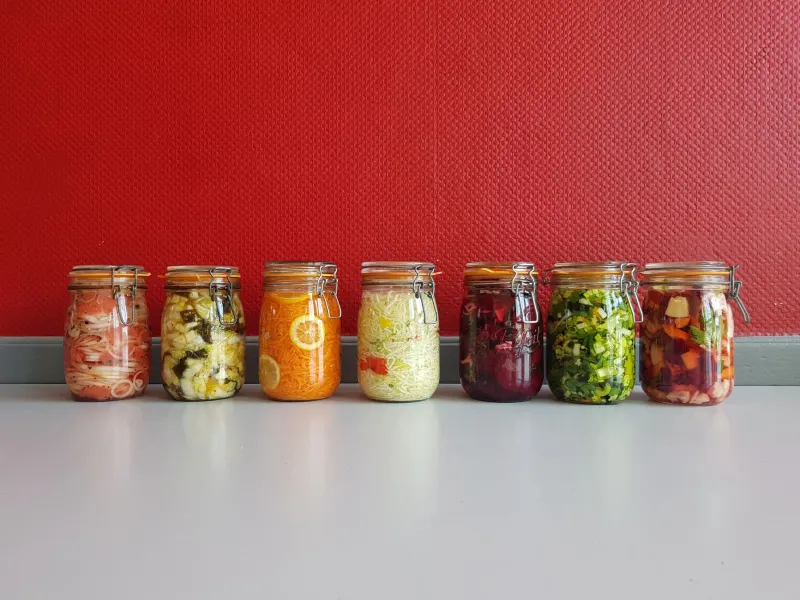
The great news for home fermenters is that tropical fermentation doesn't require specialized equipment or a culinary degree. If you've ever made sauerkraut or tried a simple water kefir, you already have the foundational skills.
Fermented mango chutney is one of the most approachable starting points. Chop ripe mango, mix it with a small amount of sea salt (roughly 2% of the total weight of the fruit), pack it tightly into a clean glass jar, and let it sit at room temperature for two to four days. The salt draws out moisture and creates a brine, which protects against harmful bacteria while letting the good stuff thrive. What you end up with is tangy, complex, and genuinely addictive on tacos, grilled fish, or just eaten straight from the jar.
Hibiscus water kefir is another easy entry point. Water kefir grains — which you can order online pretty easily these days — ferment a sweetened liquid over 24 to 48 hours, producing a lightly fizzy, probiotic-rich drink. Swap plain sugar water for a hibiscus tea base and you've got something that tastes like a fancy sparkling beverage and actually does something good for your gut microbiome.
Papaya kvass is a little more adventurous but worth trying. Kvass is a traditional Eastern European fermented drink usually made from bread, but the technique translates beautifully to fruit. Blend ripe papaya with water, add a small amount of active sourdough starter or whey as a starter culture, and ferment for 24 to 36 hours. The result is tangy, slightly effervescent, and has that warm, tropical sweetness that makes it feel like something you'd sip on a porch somewhere very sunny.
Brands Are Already Running With This
It's not just home kitchens getting in on the action. A growing number of small and mid-sized food brands are bringing tropical fermented products to market, and the category is starting to show up in natural grocery stores and specialty food shops in a meaningful way.
You'll find fermented hot sauces built on a tropical fruit base — mango habanero and papaya jalapeño versions that use lacto-fermentation to build flavor depth instead of just heat. There are probiotic tropical fruit shrubs (drinking vinegars) showing up in the cocktail and mocktail space. And hibiscus kombucha has become something of a standard offering at small-batch kombucha breweries, which is a good sign that consumer demand is there.
A handful of brands are also experimenting with tropical probiotic supplements — powdered or capsule forms of fermented papaya or mango that position themselves as a more bioavailable alternative to conventional probiotic pills. The science on those specific claims is still developing, but the interest from consumers is real and growing.
The Bigger Picture: Why This Trend Has Legs
American consumers are increasingly looking for gut-health solutions that feel like food rather than medicine. Kombucha cracked that door open. Kimchi and other fermented vegetables pushed it wider. Tropical ferments are the next logical step — they're flavorful, visually appealing, connected to global food traditions that have used these ingredients for centuries, and built on ingredients that Americans are already warming up to.
There's also a sustainability angle worth noting. Fermentation is one of the oldest preservation techniques in human history, and applying it to tropical fruits means extending the shelf life of ingredients that can be challenging to transport and sell fresh. That's good for reducing food waste, and it's the kind of story that resonates with the values-driven American food shopper.
At Sunny Days Hana Fru, we're all about the idea that tropical and floral ingredients have a lot more to offer than most people realize. Fermentation is just one more way to unlock what's already there — the natural complexity, the inherent sweetness, the compounds that have been nourishing people in tropical climates for a very long time.
Your gut might just be ready for a vacation.