Beyond the Root: Why Ginger Flowers and Turmeric Blossoms Are the Superfood Upgrade Nobody Saw Coming
Most of us have a knob of fresh ginger sitting in the back of the fridge right now. Maybe a jar of turmeric powder lives in the spice rack too, slightly dusty, pulled out whenever a golden latte craving hits. We know these roots. We trust them. But here's the thing — the plants they come from produce something even more extraordinary above ground, and the American culinary world is just starting to wake up to it.
Ginger flowers. Turmeric blossoms. The delicate, torch-like blooms of galangal and cardamom. These edible rhizome flowers have been woven into the food traditions of Southeast Asia, South Asia, and parts of Central America for generations. Now, they're showing up at specialty spice importers, high-end farmers markets, and on the tasting menus of forward-thinking chefs from Portland to Miami. And honestly? It makes a lot of sense that they're arriving in American kitchens right now.
What Even Is a Rhizome Blossom?
A quick botany refresher: rhizomes are the underground stems we typically harvest for spice — that knobby ginger root, the bright orange turmeric, the aromatic galangal. But the plants themselves grow tall and lush above the soil, and most of them flower. Beautifully, actually.
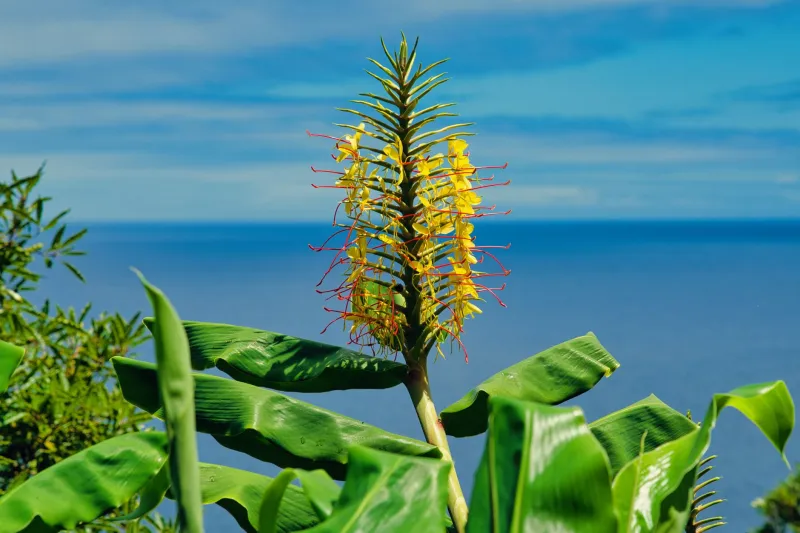
Ginger plants (Zingiber officinale) produce waxy, cone-shaped flower heads in shades of cream and pale yellow, with delicate petals that carry a softer, more floral version of the root's heat. Turmeric (Curcuma longa) blooms in striking pink and white spires. Galangal throws up white flowers with pink veining. These aren't just pretty — they're edible, aromatic, and increasingly understood to carry their own distinct nutritional profiles.
The flavor experience is genuinely different from the root. "When you work with a fresh ginger blossom, you get this lifted, almost citrusy brightness that the root alone doesn't give you," says Marcus Thiel, a spice importer based in California who sources directly from small farms in Thailand and Hawaii. "There's ginger warmth there, but it's more perfumed, more nuanced. Chefs love it because it adds complexity without overwhelming a dish."
The Flavor Profiles Worth Knowing
If you're curious about trying these blossoms, it helps to understand what you're actually tasting.
Ginger flower petals and bracts carry that signature warmth of the root but with a pronounced floral note — think ginger crossed with a hint of white tea. The flower buds are also edible and are traditionally used in Malaysian and Indonesian cooking, particularly in salads and rice dishes.
Turmeric blossom has a more subtle, lightly sweet character compared to the earthy punch of the root. The petals are mild enough to use raw as a garnish, and they carry just a whisper of the root's distinctive earthiness.
Galangal flower leans more citrusy and piney — a little sharper than ginger blossom, with an almost medicinal brightness that works beautifully in herbal teas and broth-based drinks.
Cardamom flower is perhaps the most delicate of the group, with a soft, almost vanilla-adjacent sweetness that's genuinely surprising if you only know the seed pods.
The Wellness Angle — What Science Says So Far
Here's where it gets interesting from a food science perspective. The roots of these plants are well-documented for their bioactive compounds — gingerols in ginger, curcumin in turmeric — that have been associated with anti-inflammatory properties and digestive support. Researchers are now beginning to look more closely at what the flowers contain.
Early studies suggest that ginger blossoms contain their own set of phenolic compounds and antioxidants, potentially overlapping with but distinct from those found in the root. Turmeric flowers have shown preliminary antimicrobial properties in some research. The honest answer is that the science is still young — these aren't as studied as the roots — but the traditional use of these flowers in medicinal and culinary contexts across Asia gives researchers a solid starting point.
What's clear already is that these blossoms aren't just decorative. They carry real aromatic compounds, some shared with their roots and some unique, that contribute both flavor and potential functional value.
How American Chefs Are Using Them Right Now
The culinary applications are genuinely exciting, and chefs aren't waiting around for the science to fully catch up.
In the wellness drink space, ginger blossoms are being steeped into hot teas and cold brews that offer a gentler, more approachable version of ginger's heat — great for people who love the idea of ginger but find the raw root too aggressive. A few specialty cafés in cities like Austin and Chicago have started featuring turmeric blossom lattes alongside their golden milk offerings, marketing them as a floral riff on the classic.
On the savory side, ginger flower bracts are appearing in ceviche as a garnish that actually contributes flavor, and in Southeast Asian-inspired salads where the floral, slightly spicy notes play beautifully against bright citrus dressings. Chef Lena Nakamura, who runs a Hawaiian-inspired tasting menu in Los Angeles, describes layering turmeric blossoms into a coconut broth: "The blossom adds this almost honeyed floral note that you'd never get from the root alone. It makes the dish feel more alive."
For the home cook, dried ginger flower petals are starting to appear through specialty spice retailers and online importers, making them accessible without requiring a trip to an Asian grocery store — though those stores are often a great first stop if you have one nearby.
Growing Your Own — Yes, Really
Here's a fun twist: if you've ever tried growing ginger or turmeric in a pot (and if you haven't, it's genuinely easy in most of the US with enough warmth and indirect light), you may already be sitting on a potential flower harvest. Both plants can bloom under the right conditions, typically when they've had enough time to mature and are kept consistently warm and humid.
Growers in USDA zones 8 and above can even try growing them outdoors in summer. The flowers, when they appear, are short-lived but worth catching — and knowing that your potted turmeric plant might one day hand you a beautiful pink blossom to drop into your morning tea is honestly one of the better surprises a home garden can offer.
The Bigger Picture
What's happening with rhizome blossoms fits into a broader pattern we love tracking here at Sunny Days Hana Fru: the slow, steady arrival of ingredients that tropical and subtropical food cultures have long valued, finally getting their moment in American kitchens. It's not about novelty for its own sake. It's about flavor, depth, and the kind of ingredient that makes you rethink what a plant can offer.
The root was never the whole story. It turns out the blossom had something to say all along.