Ditch the Oatmeal: Why Açai, Pitaya, and Guanabana Are Becoming the New American Breakfast Base
For generations, the American breakfast table looked pretty much the same: a bowl of oatmeal, a box of cereal, maybe some toast. Reliable, sure. Exciting? Not exactly. But something has been quietly shifting in kitchens from Portland to Miami, and it smells a lot like tropical fruit.
Açai, pitaya (dragon fruit), and guanabana (soursop) are no longer just the flashy add-ons at your local juice bar. They're becoming the actual foundation of how a growing number of Americans start their day — replacing grains entirely and bringing a whole new set of flavors, textures, and nutrients to the breakfast bowl. And honestly? The science backs up why your body might be pretty happy about that.
What's Actually in These Fruits That Makes Them Breakfast-Worthy?
Let's start with açai, because it's been leading the charge for years now. Native to the Amazon rainforest, this deep-purple berry is loaded with anthocyanins — the same antioxidant compounds that give blueberries their color and their reputation. But açai goes further, delivering a surprisingly solid fat profile (think oleic acid, similar to olive oil) alongside fiber and trace minerals. It's calorie-dense enough to keep you full through a morning meeting, and its mild, almost chocolatey flavor makes it genuinely pleasant as a base rather than just a topping.
Pitaya — the hot-pink, speckled-flesh dragon fruit that's been showing up everywhere — brings something different to the table. It's lighter in calories but generous with vitamin C, B vitamins, and prebiotics that feed the good bacteria in your gut. The texture is where pitaya really earns its place in a breakfast bowl: it blends into a thick, sorbet-like consistency that gives you that satisfying, spoonable experience people used to only get from porridge.
Guanabana, or soursop, is the most underappreciated of the three. Its creamy white flesh has a flavor that's genuinely hard to describe — somewhere between strawberry, pineapple, and a hint of citrus — and it blends into a porridge-like base that's naturally sweet enough to need very little added sugar. It's also a solid source of vitamin B6, potassium, and magnesium, which is a nice combination for anyone who needs their morning to actually function.
Why Grains Are Losing Ground at Breakfast
This isn't just a trend driven by aesthetics (though those bowls do photograph beautifully). There's a real functional reason people are swapping out their oats and corn flakes.
Traditional grain-based breakfasts, especially the processed cereal kind, tend to be high in refined carbohydrates that spike blood sugar and then drop it again — leaving you reaching for a snack by 10 a.m. Even whole grain oatmeal, while genuinely nutritious, can feel heavy and repetitive over time.
Tropical fruit bases offer a different kind of energy. Because they combine natural sugars with fiber, healthy fats (in açai's case), and water content, the glucose release is more gradual. You get sustained energy without the crash. For Americans increasingly focused on blood sugar management — whether for metabolic health, athletic performance, or just wanting to feel better — that's a meaningful difference.
There's also the texture factor. Blended pitaya or açai creates a base that feels indulgent in a way oatmeal never quite manages, even though both are wholesome choices. That psychological satisfaction matters more than people give it credit for when it comes to actually sticking with a healthy breakfast habit.
The Supply Chain Reality Check
Here's where things get a little more complicated, because none of these fruits are exactly growing in Ohio backyards — at least not yet.
Most açai sold in the US arrives as frozen pulp from Brazil, where the berries are harvested from wild palm trees in the Amazon. The cold chain required to preserve those nutrients from harvest to your freezer is extensive and energy-intensive. Some domestic pitaya farming has taken root in places like California, Florida, and Hawaii, which is genuinely encouraging — but domestic supply is still a fraction of what's needed to meet growing demand, so a lot of dragon fruit still travels from Vietnam, Nicaragua, and Ecuador.
Guanabana is the trickiest. It's highly perishable fresh, which is why you almost never see it whole in US grocery stores. Most guanabana available stateside comes as frozen pulp or juice concentrate, often sourced from Latin America or Southeast Asia. That processing is actually what makes it viable for American consumers, but it adds steps to the supply chain and raises questions about energy use and carbon footprint.
Sustainability-minded eaters are right to ask these questions. The honest answer is nuanced: wild-harvested açai, when sourced responsibly, actually supports Amazon preservation by making the standing forest economically valuable. Pitaya farming in the US reduces food miles but requires land and water resources in already-stressed agricultural regions. Guanabana processing, done well, reduces food waste from a fruit that would otherwise spoil quickly.
Looking for certifications like Fair Trade, Rainforest Alliance, or USDA Organic on your frozen açai and pitaya packets is a reasonable way to vote with your dollars on how these supply chains develop.
Building Your Tropical Breakfast Bowl at Home
The good news is that making these fruits the star of your morning doesn't require a trip to a specialty store or a smoothie-bar budget. Frozen açai packets are widely available at Trader Joe's, Whole Foods, and increasingly at mainstream grocery chains. Frozen pitaya cubes have made their way into Costco. Guanabana pulp can be found at most Latin grocery stores and online.
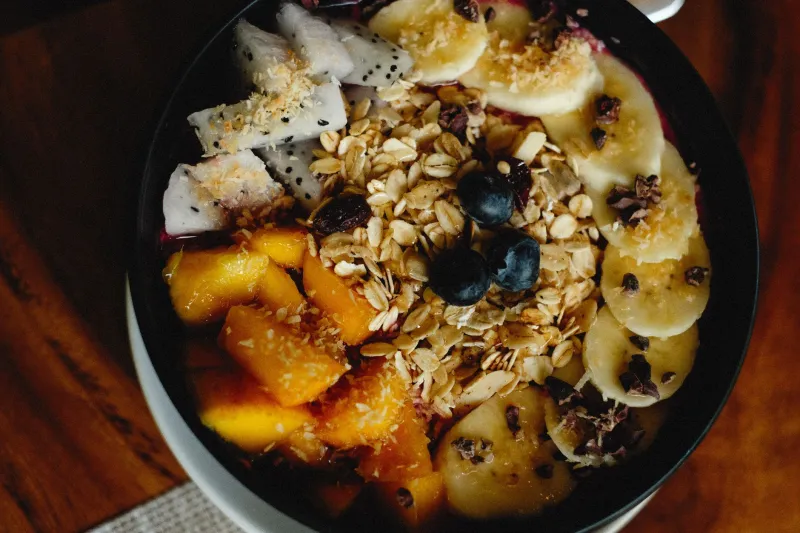
A simple starting framework: blend one packet of frozen açai or a cup of frozen pitaya with just enough coconut water to get things moving, then pour into a bowl and top with fresh mango, toasted coconut flakes, a drizzle of local honey, and whatever seeds or granola you like for crunch. The whole thing takes about five minutes and keeps you full until lunch.
For a guanabana porridge vibe, blend the thawed pulp with a little full-fat coconut milk and a pinch of cinnamon, then warm it gently on the stove. It won't look like anything your grandmother made, but your taste buds — and your energy levels — will probably thank you.
The Morning Table Is Changing, and That's a Good Thing
American breakfast culture has always evolved. We went from meat-heavy farm breakfasts to cereal culture to the avocado toast era. The tropical fruit bowl is just the next chapter — one that happens to come with genuine nutritional benefits, a more interesting flavor profile, and a direct connection to agricultural traditions that have sustained communities in tropical regions for centuries.
At Sunny Days Hana Fru, we're all about finding the places where delicious and naturally sourced overlap. Açai, pitaya, and guanabana hit that mark pretty squarely. The supply chain still has room to grow more responsibly, and domestic production is an exciting frontier worth watching. But right now, even working within the current system, swapping your cereal bowl for a blended tropical base a few mornings a week is a small change with a surprisingly big payoff.
Your mornings deserve a little more sunshine. These fruits are a pretty great place to start.