Ditch the Vanilla: Why Orchid, Ylang-Ylang, and Hibiscus Extracts Are the New Secret Weapon in American Kitchens
For most American bakers, vanilla extract is as automatic as turning on the oven. It goes in the cookies, the birthday cake, the weekend waffles — without a second thought. But something is shifting on bakery counters from Portland to Miami, and it smells a little more like a tropical garden than a familiar brown bottle.
Orchid, ylang-ylang, and hibiscus extracts are showing up in pastry kitchens, specialty grocery stores, and small-batch pantry lines with increasing frequency. And the people reaching for them aren't just chasing novelty. They're after something vanilla — for all its charm — genuinely can't deliver.
What's Actually in That Brown Bottle (And Why It Matters)
Conventional vanilla extract gets its flavor primarily from vanillin, a phenolic aldehyde compound that develops during the curing of vanilla beans. It's warm, sweet, and familiar — and it's also remarkably one-dimensional once you start comparing it to what tropical flowers bring to the table.
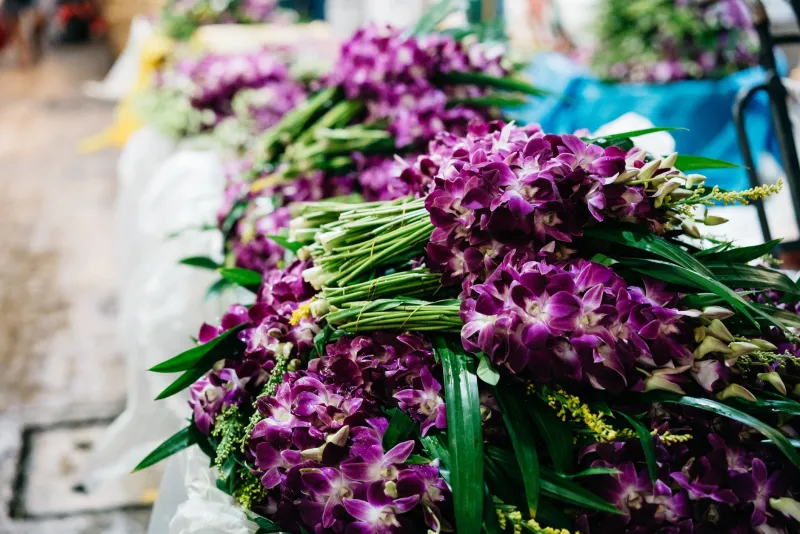
Orchid extracts, for instance, draw on a broader aromatic palette. Many orchid species contain compounds like methyl benzoate, benzyl acetate, and various terpenoids that create layered, almost powdery-sweet notes with a faint green undertone. Ylang-ylang — a tropical tree flower native to Southeast Asia and the Pacific Islands — is rich in linalool, geranyl acetate, and farnesol, which together produce a heady floral sweetness that's simultaneously fruity and slightly spicy. Hibiscus, already beloved in teas and drinks, contains anthocyanins and organic acids like citric and malic acid that give extracts a tart-floral punch with real depth.
In short: these aren't just different flavors. They're chemically more complex, which means they interact with baked goods, creams, and beverages in ways that vanilla simply doesn't.
Why Professional Chefs Are Making the Switch
Talk to pastry chefs at farm-to-table restaurants in cities like Los Angeles, Chicago, or New York, and you'll hear a consistent theme: vanilla is reliable but predictable. When you're trying to build a dessert that feels genuinely distinctive — something that tells a story on the plate — you need ingredients that do more than one thing.
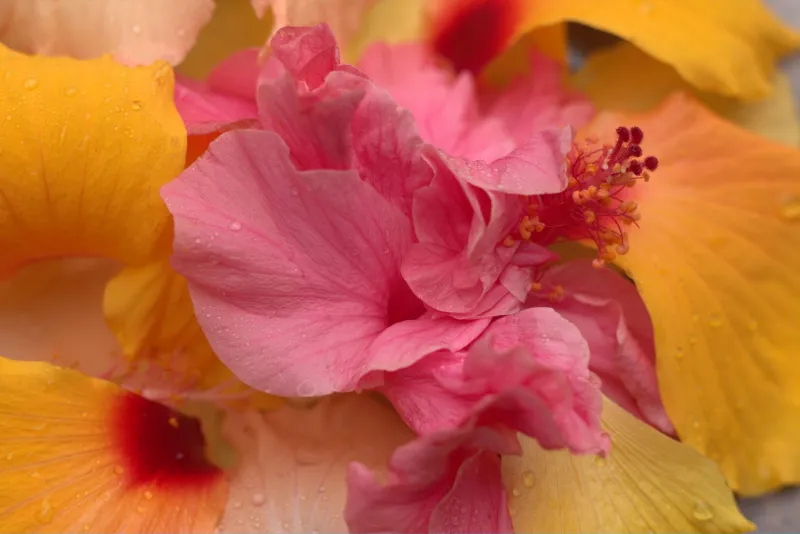
Hibiscus extract, for example, brings both color and flavor. A few drops into a white chocolate ganache produces a blush-pink filling with a tangy floral finish that no amount of vanilla could replicate. Ylang-ylang extract in a custard base creates something that reads as floral without being perfumey — a distinction that matters enormously in baking, where overpowering fragrance compounds can easily tip a dessert from elegant to overwhelming.
Orchid extract tends to be the most subtle of the trio, functioning almost like a flavor enhancer — it rounds out other notes in a recipe rather than dominating them. Some pastry chefs describe it as the extract they reach for when they want a dish to taste "more like itself, but elevated."
The Small Producers Making It Happen
The growth of this category in the US market is largely being driven by small, specialty food producers who are sourcing tropical flowers with the same care that craft distillers give to their botanicals.
Companies like those operating out of Hawaii, Florida, and California — where tropical and subtropical growing conditions allow for direct sourcing — are producing flower extracts using cold-press and alcohol maceration methods that preserve the full aromatic complexity of the blooms. Some are working directly with local flower farms, creating a genuine farm-to-bottle story that resonates with American consumers who care about ingredient transparency.
What separates the best of these products from generic "floral flavoring" is the extraction method. High-quality orchid and ylang-ylang extracts are typically made through a slow maceration process in food-grade alcohol, which captures volatile aromatic compounds without the heat degradation that can strip away the most delicate notes. Hibiscus extracts often use a water-and-alcohol blend to preserve both the acidic flavor compounds and the natural pigmentation that makes the ingredient so visually striking.
How to Use Them Without Going Overboard
Here's where a lot of home bakers get nervous — and understandably so. Floral flavors have a reputation for being tricky. Use too much and your lemon cake tastes like soap. Use too little and you wonder why you bothered.
The good news is that tropical flower extracts are generally more forgiving than their reputation suggests, as long as you start conservatively and taste as you go.
Hibiscus extract works beautifully in places where you'd normally use a splash of citrus. Add it to buttercream frostings, panna cotta, vinaigrettes, or cocktail syrups. Start with half the amount you'd use of vanilla extract and adjust from there. It pairs particularly well with berries, citrus, and dark chocolate.
Ylang-ylang extract is potent, so treat it like an essential oil rather than a vanilla substitute — a few drops go a long way. It shines in coconut-based desserts, rice pudding, and tropical fruit compotes. It also plays surprisingly well with mango and pineapple in smoothies or fruit curd.
Orchid extract is the most approachable of the three for everyday baking. It can be used in roughly the same quantity as vanilla extract in most recipes and works especially well in shortbread, madeleines, and light sponge cakes where you want subtle floral complexity without a loud statement.
Where to Find Them in the US
Specialty food retailers like World Market and some Whole Foods locations are beginning to carry small-batch floral extracts, but your best bet is often online. Searching for producers based in Hawaii or Florida tends to surface the most authentic options, since many of these companies are growing or directly sourcing their flowers domestically.
Farmer's markets in warmer-climate cities — think San Diego, Tampa, or Honolulu — are also worth checking, particularly if you want to talk directly to producers about their sourcing and extraction methods. A conversation with someone who actually knows their ylang-ylang from their ylang-ylang extra (yes, that distinction exists, and it matters for baking) is worth more than any product label.
The Bigger Picture
The move toward tropical flower extracts isn't just a trend for its own sake. It reflects a broader shift in how American home cooks and professional chefs are thinking about flavor — not as something that comes in a standardized bottle, but as something with origin, chemistry, and nuance worth understanding.
Vanilla isn't going anywhere. But the days of it being the only floral extract worth reaching for? Those might be numbered. And honestly, with orchid, ylang-ylang, and hibiscus waiting in the wings, that feels like very good news for anyone who loves to bake.