Old Spice, New Story: How Cardamom, Clove, and Nutmeg Quietly Built American Flavor
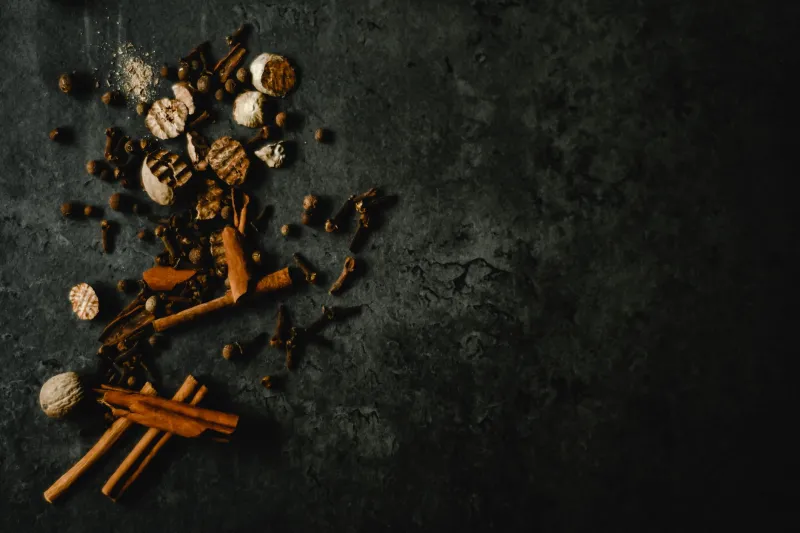
Here's a fun thing to try: open your spice cabinet and pull out the cardamom, the cloves, and the nutmeg. Now think about where they actually came from. Not the grocery store. Not the little glass jar with the red lid. Before all that. The answer stretches back to volcanic islands in Indonesia, lush highland farms in Guatemala, and rainforest groves in Sri Lanka — places so tropical and remote that entire empires once went to war over the right to ship these seeds and pods across the ocean.
And somehow, after all that drama, they ended up in your spice rack, mostly ignored between the garlic powder and the paprika.
That's the wild, underloved story of tropical spices in America. They shaped how we bake, what we drink, and what "comfort food" even means — and most of us have no idea. But that's starting to change, and honestly, it's one of the more exciting things happening in food right now.
The Long Trip to Your Kitchen
The spice trade is genuinely one of history's most consequential supply chains. By the 1600s, cloves were literally worth their weight in gold in European markets — which is why the Dutch, the Portuguese, and the British spent generations fighting over tiny tropical islands just to control the harvest. Nutmeg came almost exclusively from the Banda Islands in what's now Indonesia. Cardamom was so prized in ancient trade routes that it moved through Arab merchants for centuries before Europeans even got involved.
When European settlers arrived in North America, they brought these spices with them. Not as luxury items — as necessities. Cloves went into meat preservation. Nutmeg flavored custards and punches. Cardamom quietly slipped into Scandinavian immigrant baking communities, especially in the Midwest, where it still shows up in traditional holiday breads.
These weren't exotic add-ons. They were load-bearing flavor pillars in early American cooking, baked into recipes that got handed down through generations until we stopped noticing them.
The Spices That Are Basically Hiding in Plain Sight
Let's go one by one, because each of these has its own fascinating American story.
Cardamom is probably the most underappreciated of the three. If you've ever had a proper chai, a Scandinavian cardamom bun, or a really good cup of Turkish coffee, you know the flavor — warm, floral, a little citrusy, with this almost perfume-like quality that somehow makes sweet things taste more interesting. In places like Minnesota and Wisconsin, where Scandinavian heritage runs deep, cardamom has been a baking staple for over a century. It just never got the marketing push that, say, cinnamon did.
Cloves are the ones you probably know best from holiday ham and mulled cider — that deep, almost medicinal warmth that screams November and December. What most people don't realize is that cloves were once used medicinally across cultures for everything from toothaches to digestive issues, and their presence in American sweet and savory cooking reflects a time when the line between spice and medicine was pretty blurry. They're also one of the most intensely flavored spices on the planet — a little goes a very long way.
Nutmeg might be the sneakiest of the bunch. It shows up in béchamel sauce, in eggnog, in pumpkin pie filling, in certain mac and cheese recipes — almost always as a background note that you'd notice immediately if it disappeared but might never consciously identify. It's the definition of a supporting player, and it's been playing that role in American kitchens since colonial times.
Why the Supermarket Version Isn't the Whole Story
Here's where things get genuinely interesting for home cooks right now. The cardamom, cloves, and nutmeg sitting in most American spice racks are fine. They do the job. But "fine" and "doing the job" don't really capture what these spices are capable of when you get them fresh, whole, and from a specific origin.
Single-origin spices are having a real moment, and for good reason. Cardamom from Guatemala's Alta Verapaz region — where the crop was introduced in the early 20th century and now thrives at high altitude — has a brightness and floral complexity that pre-ground supermarket versions just can't replicate. Cloves from Zanzibar or the Maluku Islands carry a richness that hits differently than the average grocery store jar. Freshly grated whole nutmeg? It's practically a different ingredient.
A growing number of small importers and specialty food brands are leaning into this, sourcing directly from farms and selling spices with actual provenance information attached. For a food culture that's gotten very comfortable asking "where did this come from" about coffee, wine, and chocolate, it makes sense that spices would eventually get the same treatment.
Bringing It Back Into the Kitchen
So what do you actually do with this information? A few ideas:
Upgrade your cardamom game. Try it somewhere unexpected — stirred into your morning oatmeal, blended into a mango lassi, or sprinkled into a tropical fruit salad alongside fresh lime zest. Its floral edge plays beautifully with anything bright and fruity.
Buy whole cloves and toast them. A quick dry toast in a skillet before grinding releases oils that pre-ground cloves lost months ago. The difference in aroma alone will make you feel like you've unlocked a cheat code.
Keep a whole nutmeg and a microplane nearby. Freshly grated nutmeg over a warm drink — think coconut milk hot chocolate or a hibiscus-spiced cider — is one of those small kitchen moves that feels wildly fancy but takes about four seconds.
Explore spice blends with tropical crossover. Cardamom pairs naturally with coconut, mango, and pineapple. Clove deepens tamarind-based sauces and works beautifully in tropical BBQ glazes. Nutmeg rounds out creamy dishes built on coconut milk or cashew cream.
The Heritage Worth Keeping
There's something kind of moving about the idea that these tiny seeds and pods — grown in some of the most lush, sun-drenched places on earth — made their way into the everyday cooking of a country still figuring out what its food culture was going to be. They traveled through trade routes, colonial ships, immigrant suitcases, and church potluck recipes to land exactly where they are right now: in your cabinet, waiting.
Re-engaging with them — really tasting them, sourcing them thoughtfully, using them in ways that feel alive rather than automatic — is one of the easiest ways to connect your cooking to something bigger than the recipe in front of you. And honestly, it just makes the food taste better.
That feels like a pretty sunny trade.