Fresh Petals vs. Frozen Blooms: What Actually Happens to Tropical Flowers in Cold Storage
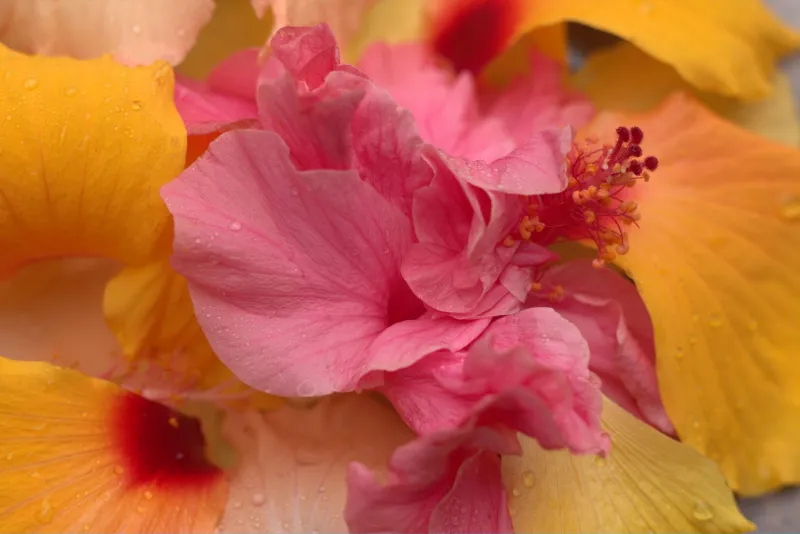
There's something almost unfair about tropical flowers. They smell incredible, they look stunning, and when you get them at peak freshness, they taste like someone bottled sunshine and forgot to charge you for it. But they're also delicate, seasonal, and — depending on where you live in the US — not exactly growing in your backyard.
So when you're standing in the grocery aisle debating between a bag of frozen hibiscus and a bundle of fresh orchid petals, what are you actually choosing between? The answer is more interesting than you'd expect.
Why Tropical Flowers Are So Sensitive in the First Place
Floral ingredients are fundamentally different from, say, frozen broccoli or blueberries. Their flavor, aroma, and color come from highly volatile compounds — terpenes, anthocyanins, essential oils — that are incredibly reactive to heat, light, and yes, cold. The same chemistry that makes hibiscus smell tangy and floral and plumeria smell like a Hawaiian breeze is also what makes these ingredients so easy to mess up.
When you freeze something, you're not just pressing pause on it. Ice crystals form inside the plant cells, and depending on how quickly the freezing happens and how delicate the cell walls are, those crystals can rupture the tissue. For something like a mango chunk, that's mostly a texture issue. For a thin, papery orchid petal? It can mean a complete collapse of structure and a significant loss of volatile aroma compounds — the very things that make it worth using in the first place.
The Flowers That Really Suffer in the Freezer
Orchid petals are probably the most dramatic example of freeze damage. They're mostly water, they have almost no fibrous structure to hold them together, and their flavor is genuinely subtle — a light, slightly sweet, faintly grassy note that disappears fast when the cell walls break down. Frozen orchid petals tend to turn mushy, lose their visual appeal, and taste flat. If you're using them as a garnish or infusing them into a syrup where freshness matters, frozen is a real downgrade.
Plumeria follows a similar pattern. The floral intensity that makes plumeria so special in drinks, desserts, and syrups comes from compounds that are notoriously volatile. Frozen plumeria loses a significant portion of that aroma during the freeze-thaw cycle, leaving you with something that smells vaguely floral but lacks the depth of the fresh version. If you can find fresh plumeria at a specialty market or a farmers market in Florida, Hawaii, or Southern California, it's worth paying the premium.
Rose of Sharon and butterfly pea flowers fall somewhere in the middle. They hold color better than most (butterfly pea especially — its vivid indigo is surprisingly freeze-stable), but the texture and aroma still take a hit. For color-forward applications like butterfly pea lemonade or a tinted syrup, frozen works fine. For eating raw or using as a fresh garnish, not so much.
The Flowers That Actually Benefit From Cold Storage
Here's where things get interesting: hibiscus is a freezer champion.
Unlike orchids and plumeria, dried or frozen hibiscus calyces (the part most commonly used in teas, syrups, and cooking) are structurally hardy. The anthocyanins that give hibiscus its deep crimson color are relatively stable under cold conditions, and the tartaric and citric acids that give it that bright, cranberry-like punch hold up well too. Frozen hibiscus — especially if it was flash-frozen at peak ripeness — can actually deliver more consistent flavor than dried hibiscus that's been sitting on a shelf for months.
Some producers in Mexico and the Caribbean, where hibiscus (known as Jamaica or roselle) is a staple crop, are now flash-freezing calyces immediately after harvest specifically to preserve that fresh-picked intensity for export to US markets. If you see frozen hibiscus calyces at a Latin grocery store or an online specialty retailer, they're often a better buy than the dried version for making agua fresca or hibiscus concentrate.
Banana blossoms are another one that handles freezing reasonably well, especially when they're being used for cooking rather than eating raw. The texture changes, but for applications like stir-fries, curries, or savory tropical dishes, frozen banana blossoms are practical and affordable — and the flavor profile is close enough to fresh that most people won't notice.
What Freezing Does to Nutritional Value
This is where a lot of the myths live. The popular assumption is that fresh always means more nutritious. But the reality is more nuanced.
For most tropical flowers, the biggest nutritional players are antioxidants (particularly anthocyanins and flavonoids) and vitamin C. Anthocyanins are actually pretty freeze-stable — studies on other anthocyanin-rich produce like blueberries and red cabbage consistently show that freezing preserves them well. So frozen hibiscus, for example, likely retains most of its antioxidant punch.
Vitamin C is trickier. It's sensitive to both heat and oxidation, but freezing itself doesn't destroy it quickly. The bigger threat is the time between harvest and freezing — if flowers are sitting at room temperature for days before they're processed, you're losing more vitamin C in that window than you would in months of proper cold storage.
The practical takeaway: for nutritional purposes, well-frozen tropical flowers are often comparable to fresh ones. For flavor and texture? That depends entirely on which flower you're talking about.
How to Shop Smarter
A few rules of thumb that'll serve you well at the grocery store, the farmers market, or when browsing online specialty retailers:
-
Buy fresh when you can see it: If you're near a market that carries fresh orchid petals, plumeria, or butterfly pea flowers — especially in states like Hawaii, Florida, or California where tropical growing is more common — fresh is almost always worth it for flavor and presentation.
-
Go frozen for hibiscus: Frozen hibiscus calyces are one of the best deals in the floral ingredient world. They're often cheaper than dried, more flavorful, and incredibly versatile.
-
Check the freeze date on anything packaged: Frozen floral ingredients that have been in cold storage for over a year are going to be noticeably duller than something frozen more recently. Look for products with clear harvest or freeze dates.
-
Dried is fine for infusions, not for fresh applications: Dried hibiscus, dried butterfly pea, dried rose petals — all great for teas, syrups, and infusions where you're extracting flavor into liquid. Not great for anything where the flower itself is part of the visual or textural experience.
The Bottom Line
The fresh-versus-frozen debate for tropical flowers isn't really a debate — it's a flower-by-flower question. Delicate blooms like orchids and plumeria lose too much of what makes them special in the freezer. Hardier, more structurally robust flowers like hibiscus actually thrive under cold storage and can land in your kitchen tasting closer to fresh-picked than anything dried.
Knowing the difference means you stop paying premium prices for frozen petals that won't deliver, and start stocking your freezer with the tropical ingredients that genuinely earn their place there. That's not just smart shopping — it's the kind of thing that makes every recipe you make a little more alive.