The Candy Aisle Is Getting a Tropical Makeover — And Cacao Flowers Are Leading the Charge
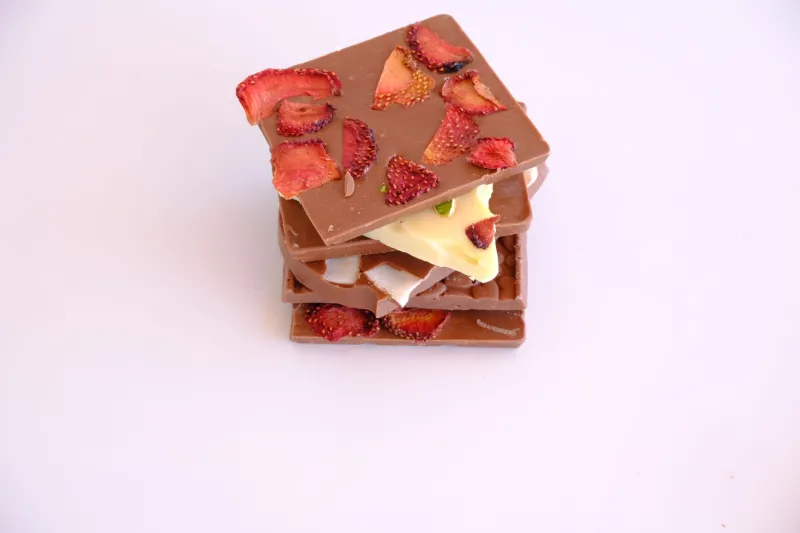
Walk into any Whole Foods, specialty grocer, or farmers market in a major US city right now and something interesting is happening in the chocolate section. The familiar rows of mass-produced bars are getting crowded out — slowly but surely — by small-batch confections wrapped in kraft paper and bold botanical illustrations. These aren't your standard dark chocolate squares. They're infused with cacao flower water, layered with passion fruit ganache, and sweetened with minimally processed coconut sugar. And honestly? They're kind of blowing people's minds.
So what's actually going on here, and why is it happening now?
The Cacao Plant Has Been Hiding Something Beautiful
Most of us know cacao as the source of chocolate — the beans get fermented, dried, roasted, and eventually become the thing we reach for when we need a pick-me-up on a Tuesday afternoon. But the cacao tree (Theobroma cacao) produces delicate, star-shaped flowers long before those pods ever appear, and those blossoms have a flavor profile all their own.
Cacao flowers carry soft, slightly jasmine-like floral notes with a hint of the earthy richness we associate with dark chocolate. Extracting those aromatics and working them into confections adds a layer of complexity that mass-market candy simply can't replicate. Think of it like the difference between a grocery store rose and one cut fresh from a garden — same flower, completely different experience.
A growing number of artisan chocolate makers — particularly those sourcing directly from cacao farms in Ecuador, Peru, and Hawaii — are experimenting with cacao flower waters and steam-distilled extracts as a finishing note in their bars. It's subtle but unmistakable, and once you taste it, regular chocolate can feel a little flat by comparison.
Passion Fruit Ganache: The Filling That Changes Everything
If cacao flowers are the quiet revolution, passion fruit ganache is the loud, unapologetic one. Ganache — that silky blend of chocolate and cream — has been a pastry staple forever. But when you swap out the cream for passion fruit purée and let that sharp, tropical tartness cut through rich dark chocolate, something magical happens.
The flavor contrast is genuinely surprising. Passion fruit has this bright, almost citrusy intensity that keeps the sweetness of chocolate from feeling heavy. It also brings natural acidity that activates different taste receptors than traditional ganache does, which is part of why people describe these fillings as "more alive" or "more interesting" than what they're used to.
Chocolatiers in cities like Portland, Austin, and Brooklyn have been playing with this combination for a few years now, but it's starting to hit a wider audience. Subscription chocolate boxes — always a good early-adopter barometer — have seen passion fruit-filled bonbons become consistent bestsellers. And specialty retailers are taking notice, dedicating more shelf space to small-batch tropical confections as consumer demand ticks upward.
Coconut Sugar Isn't Just a Health Swap — It's a Flavor Upgrade
Let's talk sweeteners, because this is where the science gets genuinely interesting. Coconut sugar, derived from the sap of coconut palm blossoms, has a lower glycemic index than refined white sugar and retains trace minerals that processing strips away. Health-conscious shoppers already know this. But what's less talked about is the flavor.
Coconut sugar has a natural caramel-like depth — almost butterscotch-adjacent — that pairs beautifully with chocolate. When you use it in place of cane sugar in a dark chocolate bar, you're not just making a healthier swap; you're adding a warm, toasty undertone that makes the whole bar taste more complex. It's a bit like the difference between white sugar and brown sugar in a cookie recipe, but turned up a few notches.
For artisan makers, this is the sweet spot (pun very much intended): a sweetener that appeals to the health-aware shopper and genuinely improves the end product. That's a rare win in the food world, and it's a big reason coconut sugar is showing up in more premium chocolate formulations across the US.
Why This Trend Has Real Staying Power
Food trends come and go — remember when activated charcoal was in everything? — but the shift toward tropical, botanically complex chocolate feels different for a few reasons.
First, it's rooted in something real. Cacao is literally a tropical plant. Working with cacao flowers, tropical fruit pairings, and palm-derived sweeteners isn't a gimmick; it's a return to the actual terroir of chocolate. There's an authenticity to it that resonates with consumers who've grown skeptical of artificial flavoring and marketing-driven "natural" claims.
Second, the flavor payoff is legitimate. These aren't novelty chocolates that taste interesting for one bite and then weird. The combinations — floral cacao, tart passion fruit, caramel-y coconut sugar — are genuinely delicious in a way that earns repeat purchases.
And third, the audience is ready. American palates have been expanding steadily over the past decade, driven by travel, immigration, and the sheer accessibility of global food content online. People who grew up eating Hershey bars are now curious about single-origin bars, bean-to-bar processes, and yes, tropical flavor infusions. The market has matured enough to support this kind of experimentation at scale.
How to Start Exploring Tropical Chocolate at Home
You don't have to wait for your local specialty store to catch up. A few easy entry points:
- Look for single-origin bars from tropical regions — Ecuador, Madagascar, and Hawaii-grown cacao often carry natural floral notes that hint at what the flower extracts amplify.
- Try coconut sugar in homemade hot chocolate — swap it 1:1 for regular sugar and notice how it changes the flavor profile. It's a low-effort, high-reward experiment.
- Make a simple passion fruit ganache — heat equal parts heavy cream and passion fruit purée, pour over chopped dark chocolate, stir until smooth. Use it as a dip, a truffle filling, or just eat it with a spoon. No judgment.
- Seek out small-batch makers online — brands like Raaka Chocolate, Compartés, and Dandelion Chocolate (plus dozens of smaller regional makers) are pushing tropical flavor boundaries in ways worth exploring.
The Bigger Picture
What's happening in the artisan chocolate world right now is part of a broader shift in how Americans think about indulgence. The old binary — healthy food vs. delicious food — is breaking down. People want both, and they're increasingly willing to pay for confections that deliver on flavor and feel intentional about ingredients.
Tropical chocolate, with its cacao flower complexity, passion fruit brightness, and coconut sugar warmth, sits squarely at that intersection. It's not diet food. It's not a compromise. It's just really, really good chocolate that happens to be made with ingredients that come from the same lush, sun-drenched places where cacao has always thrived.
And honestly, that feels like exactly where chocolate should be heading.