Chasing Blooms Before the Clock Runs Out: Inside America's Edible Tropical Flower Shortage
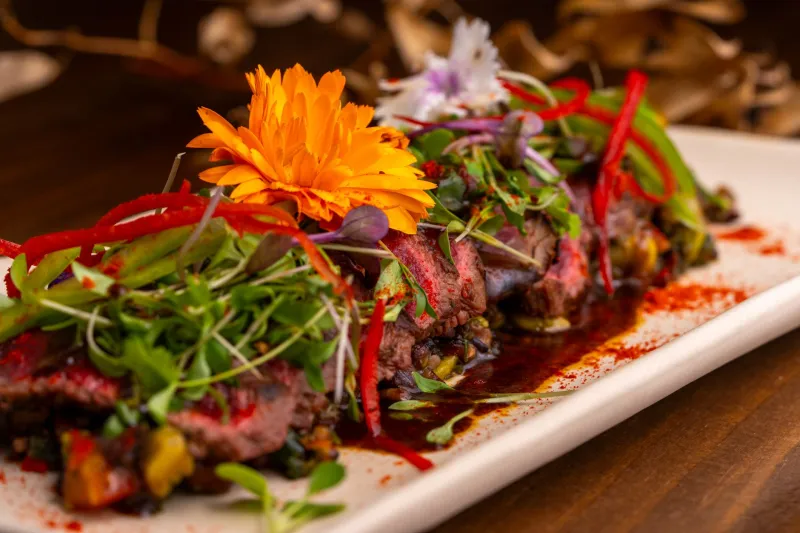
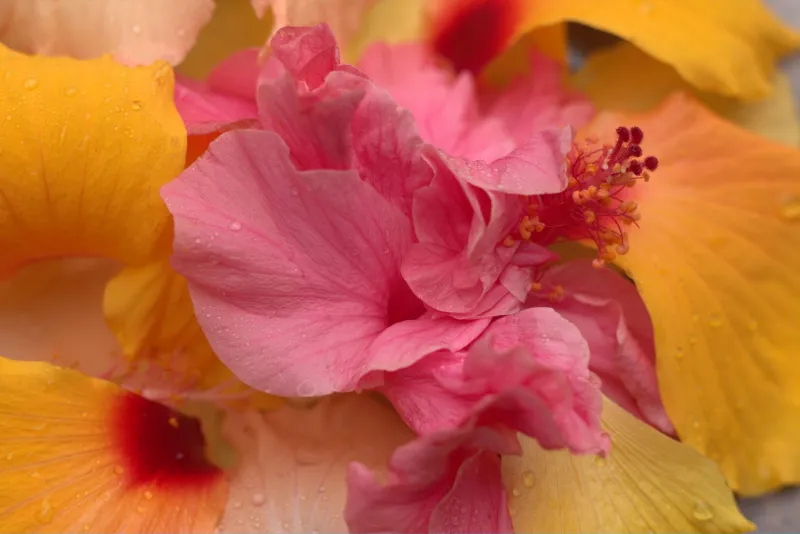
Walk into almost any upscale restaurant in Miami, Los Angeles, or New York this summer and you'll spot them — those jewel-bright petals draped across a ceviche, floating in a craft cocktail, or pressed into a dessert plate like edible art. Hibiscus, butterfly pea flower, plumeria, marigold, and orchid blooms have gone from novelty garnish to genuine culinary currency. But behind those gorgeous plates, a quiet crisis is unfolding in walk-in coolers and on the phones of desperate sous chefs across the country.
Edible tropical flowers are running short. And summer — peak demand season — is coming fast.
Why Demand Exploded Faster Than Supply Could Follow
The surge didn't happen overnight, but it did happen quickly. Social media played a massive role. A single viral reel of a hibiscus-glazed duck breast or a butterfly pea flower latte turning purple in real time can flood a restaurant's reservation system within 48 hours. Chefs who once used edible flowers as an occasional flourish are now building entire seasonal menus around them.
"We went from ordering maybe two flats of mixed blooms a week to needing ten, sometimes fifteen," says one executive chef at a farm-to-table spot in Nashville who asked not to be named. "And our distributor just... couldn't scale that fast."
The problem is structural. Tropical flowers aren't like spinach or cherry tomatoes. They're delicate, highly perishable, and — when sourced domestically — tied to very specific growing windows in states like Florida, Hawaii, and Southern California. Miss that window and you're either waiting for the next cycle or paying a premium for imported product.
The Import Maze That Nobody Talks About
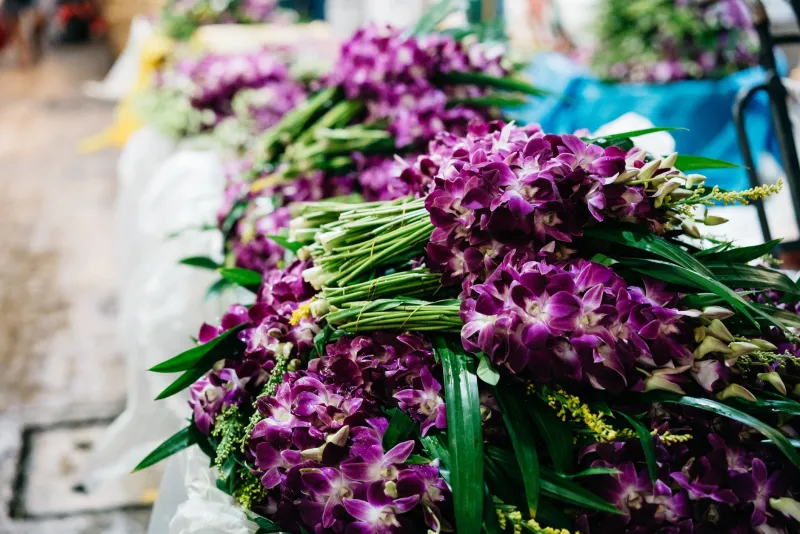
Importing fresh tropical flowers into the United States is not as simple as booking a cargo flight from Costa Rica or Thailand. The USDA's Animal and Plant Health Inspection Service (APHIS) regulates the import of fresh plant material with strict protocols designed to prevent the introduction of agricultural pests and diseases. For edible flowers specifically, that means rigorous inspection at ports of entry, required phytosanitary certificates from the country of origin, and — in some cases — mandatory treatment before the flowers ever leave their home country.
By the time a shipment of fresh marigolds or orchid blooms clears customs in Miami, days have already passed. For flowers with a shelf life measured in hours rather than days, that delay can be catastrophic.
"We had a beautiful shipment of Tahitian gardenias held at the port for an extra 36 hours over a documentation issue," recalls a specialty produce distributor based in South Florida. "By the time they were released, maybe 40 percent of the product was usable. That's a huge loss, and it gets passed right back up the chain."
Distributors are increasingly turning to air freight over sea freight to cut transit times, but that drives up costs significantly — costs that eventually appear on your restaurant bill.
Climate Is Rewriting the Harvest Calendar
Even when imports go smoothly and domestic farms are in full swing, climate variability is scrambling the traditional harvest windows that chefs and buyers have relied on for years.
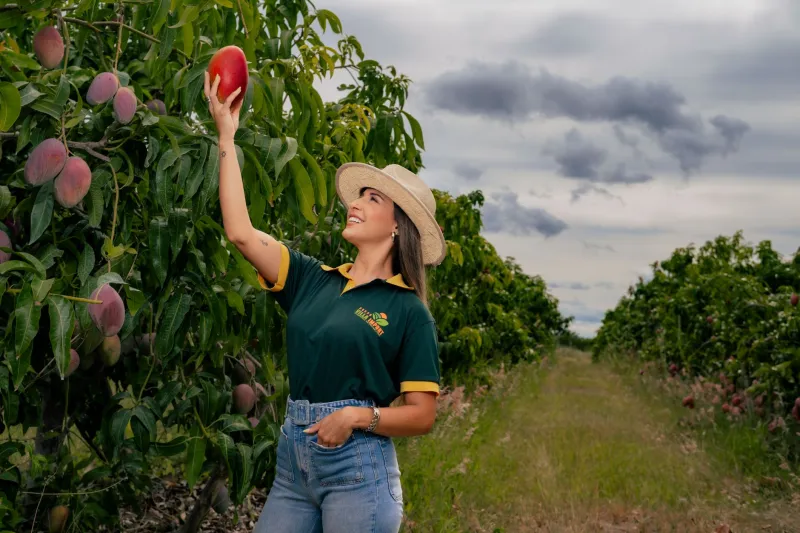
In Hawaii, where farms growing plumeria, heliconia, and tropical marigolds have long supplied mainland restaurants, erratic rainfall patterns and unexpected temperature spikes have shortened reliable bloom periods. Growers in South Florida report that warming winters, while extending some growing seasons, have also introduced new fungal pressures that damage flower heads before harvest.
"The calendar I used to plan my menu around doesn't really exist anymore," says a chef at a Coconut Grove, Florida restaurant known for its tropical tasting menu. "I used to know that certain blooms would be reliably available from mid-April through late July. Now I'm getting calls that supply is done two weeks early, or that a heat event took out half the crop."
For growers trying to meet restaurant contracts, the pressure is enormous. Many smaller farms simply can't absorb the financial risk of a failed bloom cycle, which is pushing some out of the edible flower market entirely — further tightening supply.
How Restaurants Are Adapting (and Improvising)
Savvy chefs aren't sitting still. Some are building direct relationships with small domestic farms, essentially acting as co-investors in specific crops in exchange for first right of purchase. Others are pivoting to dried or freeze-dried tropical flowers, which offer more supply stability even if the visual drama is slightly reduced.
A growing number of restaurant groups are also experimenting with on-site micro-gardens — compact hydroponic or container setups on rooftops or in kitchen corridors — to grow at least a portion of their edible flower needs in-house. It doesn't solve the problem at scale, but it provides a reliable backup and, frankly, makes for great marketing content.
Flower-infused syrups, waters, and oils are another workaround gaining traction. When fresh hibiscus is unavailable, a house-made hibiscus reduction can carry that signature tartness and color across a menu without requiring a constant supply of fresh petals.
What Home Cooks Should Know About Timing
If you're not running a restaurant but you love cooking with tropical flowers at home, the supply crunch affects you too — especially if you're shopping at specialty grocers or farmers markets. Here's how to work with the seasonal reality rather than against it.
Buy early in the season. Late spring, roughly April through early June, is often when domestic supplies are freshest and most abundant before restaurant bulk orders eat up availability. This is your window to stock up.
Freeze what you can. Some edible flowers — hibiscus and butterfly pea flower in particular — freeze reasonably well when used in cooked applications like syrups, teas, and baked goods. Freeze them flat on a sheet tray first, then transfer to an airtight container.
Go dried for the pantry. Dried edible tropical flowers have a much longer shelf life and are far less subject to supply chain drama. Keep dried hibiscus, rose petals, and chamomile in your pantry year-round and save fresh blooms for plating and presentation.
Support local growers directly. Check your local farmers market for edible flower vendors — in warmer states especially, small-scale growers often sell directly to consumers at prices that undercut specialty grocery markups. Ask about their growing schedule so you can plan ahead.
Consider growing your own. Nasturtiums, borage, and even some tropical varieties like ginger flowers can be grown in containers on a sunny patio in much of the country. It's a small supply, but it's yours and it's fresh.
The Bigger Picture
The edible tropical flower shortage is really a story about what happens when culinary trends outpace the agricultural infrastructure needed to support them. The demand is real, the enthusiasm is genuine, and the flavors are worth chasing. But flowers are not widgets — they grow on their own schedule, in their own conditions, and they don't care about a restaurant's summer menu launch.
The chefs, growers, and distributors navigating this crunch are doing so with creativity and resilience. And honestly, that feels very on-brand for an ingredient category built entirely around beauty and bloom. The flowers will come back. The question is whether the supply chain can grow up fast enough to meet them.