Flour Power, Tropical Style: How Cassava, Coconut, and Plantain Are Quietly Rewriting American Baking
For generations, all-purpose wheat flour was the unquestioned backbone of American baking. It was reliable, cheap, and everywhere. But something has been quietly shifting in home kitchens from Portland to Miami — and it smells a whole lot like toasted coconut and ripe plantain.
Tropical flour alternatives, once tucked into specialty grocery aisles or imported for specific cultural recipes, are now landing in mainstream baking rotations. Cassava flour, coconut flour, and plantain flour are leading the charge, each bringing its own personality, nutritional story, and practical baking quirks to the table. And once you get to know them, going back to plain white flour feels a little... flat.
What Even Are Tropical Flours?
Let's break it down. These aren't trendy powders cooked up in a lab. They're made from whole plants with deep roots in Central American, Caribbean, and West African food traditions.
Cassava flour is ground from the whole dried root of the cassava plant (also known as yuca). It has a mild, slightly earthy taste and a texture that's remarkably close to all-purpose flour — which is exactly why bakers love it. It's grain-free and nut-free, making it one of the most versatile swaps out there.
Coconut flour is a byproduct of coconut milk production — the dried, defatted coconut meat gets ground into a fine, slightly sweet powder. It's high in fiber and absorbs liquid like a sponge, which means recipes need to be adjusted. But the subtle tropical sweetness it adds to baked goods? Completely worth the learning curve.
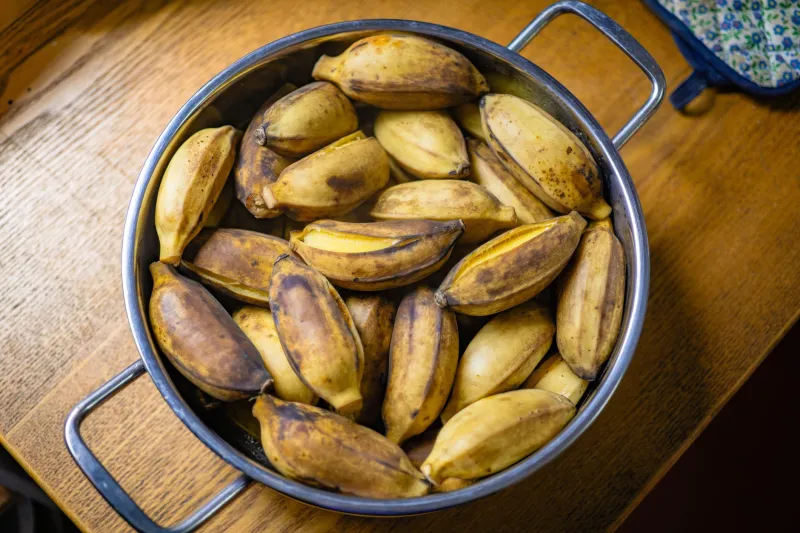
Plantain flour is made from dried, unripe green plantains that are milled into a starchy, neutral-flavored powder. It's rich in resistant starch, which behaves differently in the body than regular digestible starch — more on that in a moment.
The Gut Health Angle Nobody's Talking About Enough
Here's where the food science gets genuinely interesting. All three of these flours interact with your digestive system in ways that conventional wheat flour simply doesn't.
Cassava flour contains a mix of soluble and insoluble fiber that supports healthy gut motility. Coconut flour is loaded with dietary fiber — about 5 grams per 2-tablespoon serving — which feeds beneficial gut bacteria. And plantain flour's resistant starch content is a prebiotic powerhouse. Resistant starch passes through the small intestine largely undigested and ferments in the large intestine, feeding the good bacteria that keep your microbiome humming.
For people who've struggled with gluten sensitivity or just feel better eating less wheat, these flours offer a genuine dietary shift rather than just a trendy substitution.
"I started experimenting with cassava after a client of mine had a hard time digesting wheat," says Lena Marchetti, a pastry chef based in Austin, Texas, who's been running grain-free baking workshops for three years. "I expected it to be a compromise. Instead, it became a staple. The texture in pie crusts is honestly better than what I was getting with all-purpose."
How They Actually Perform in the Kitchen
This is where things get practical — and a little nerdy, in the best possible way.
Cassava flour is the most one-to-one swap of the three. In recipes like tortillas, flatbreads, and even some cookie doughs, you can often replace wheat flour cup for cup. That said, it lacks the gluten structure that gives bread its chew, so for yeast-risen loaves, you'll want to add a binder like psyllium husk or an extra egg.
Baker and food blogger Dani Osei from Atlanta has been experimenting with cassava sourdough for over a year. "The fermentation process actually helps break down some of the starches, which makes the final loaf easier to digest and gives it this really complex, slightly tangy flavor," she explains. "It's not identical to wheat sourdough, but it has its own thing going on that people genuinely love."
Coconut flour requires the most adjustment. Because it absorbs so much liquid, you typically only use about a quarter of the amount you'd use of all-purpose flour, and you need to increase eggs or liquid significantly. It shines in dense, moist baked goods — think banana bread, brownies, muffins, and pancakes. The natural sweetness means you can often pull back on added sugar, too.
Plantain flour sits somewhere in between. It has a more neutral flavor than coconut flour and a slightly stickier texture when hydrated. It works beautifully in flatbreads, waffles, and as a thickener in sauces and soups. Some bakers blend it with cassava flour to get the best of both worlds — starch structure plus fiber content.
A Quick Nutritional Snapshot
Compared to all-purpose wheat flour (per ¼ cup serving):
- Wheat flour: ~110 calories, 23g carbs, <1g fiber, 3g protein
- Cassava flour: ~120 calories, 28g carbs, 2g fiber, 1g protein — similar carb load but grain-free
- Coconut flour: ~60 calories, 8g carbs, 5g fiber, 3g protein — significantly lower carbs, much higher fiber
- Plantain flour: ~100 calories, 24g carbs, 3g fiber, 1g protein — similar to cassava with added resistant starch benefits
None of these is a magic bullet, but for people managing blood sugar, supporting gut health, or simply looking to add more variety to their diet, the differences are meaningful.
The Sustainability Story
Beyond personal health, there's a larger story worth paying attention to. Cassava and plantains are hardy, drought-resistant crops that thrive in tropical climates with minimal input. Coconut palms are famously low-maintenance and provide multiple harvests from a single tree over decades.
Compare that to industrial wheat farming, which often relies heavily on irrigation, synthetic fertilizers, and monoculture practices that deplete soil health. As climate pressures reshape agricultural possibilities, tropical crops grown in their native regions and exported to US markets represent a more resilient supply chain — and support farming communities in places like Costa Rica, Nigeria, and the Philippines.
Getting Started Without Overthinking It
If you're new to tropical flours, don't feel like you need to overhaul your entire recipe box. Start simple:
- Swap cassava flour into your next batch of tortillas or sugar cookies
- Use coconut flour to replace a portion of the flour in banana bread (start with 25% and work up)
- Try plantain flour as a thickener in your next curry or as the base for grain-free waffles on a Sunday morning
Most of these flours are now available at Whole Foods, Sprouts, and online through retailers like Thrive Market and Amazon. Brands like Otto's Naturals (cassava), Anthony's Goods (coconut), and Iya Foods (plantain) have built solid reputations among the grain-free baking community.
The Bloom Is Just Beginning
Tropical flours aren't a fad. They're a return — to ingredients that have nourished people for centuries, reintroduced to American kitchens with a fresh context and a growing body of nutritional research behind them. Whether you're baking for health reasons, curiosity, or just because you're tired of the same old loaf, these alternatives bring something genuinely new to the table.
And honestly? A cassava tortilla fresh off a hot skillet, still slightly warm and a little chewy at the edges, might just be the thing that changes your whole relationship with flour.