Forget Rose Water: The Tropical Flower Waters That Are Quietly Showing Up in American Kitchens
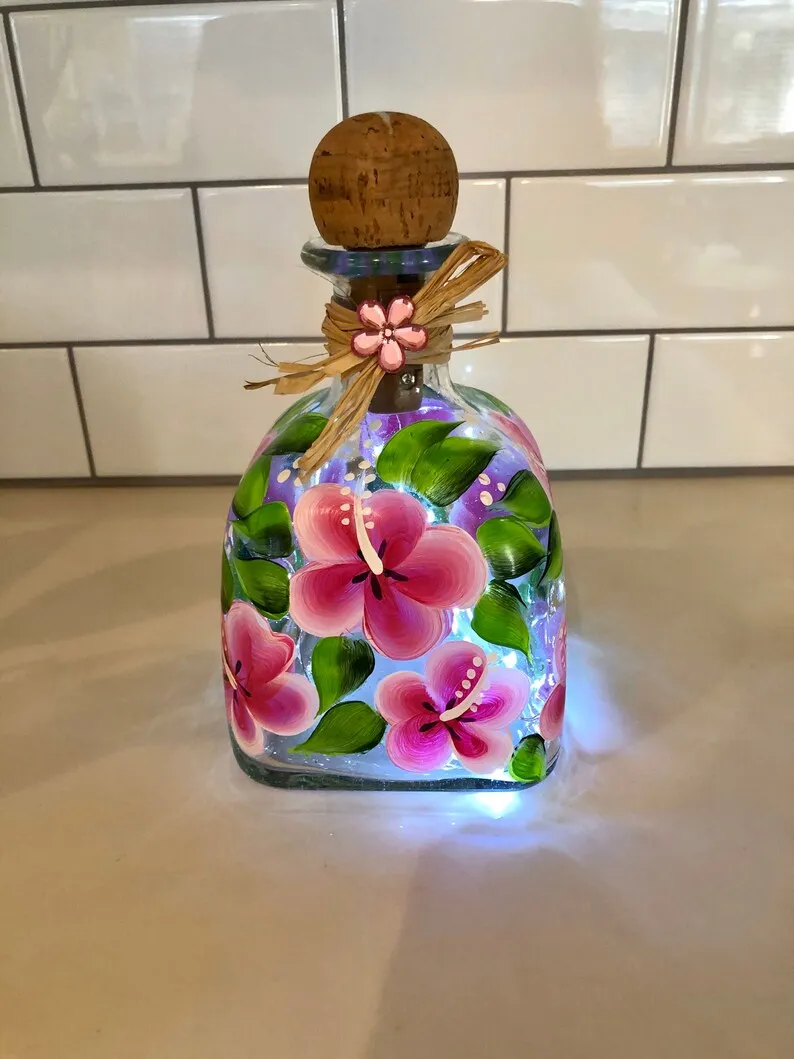
Photo: tropical floral water hibiscus plumeria orchid glass bottles kitchen styling, via i.etsystatic.com
For a long time, if you wanted to cook with floral water, your options were pretty much rose or lavender. Both lovely. Both well-documented. Both, if we're being real, starting to feel a little expected.
Something more interesting has been happening over the past couple of years, though. Specialty beverage makers, home cooks, and a growing number of chefs are reaching for tropical flower waters—plumeria, orchid, hibiscus, ylang-ylang—and discovering that these less-familiar options bring something genuinely new to the table. Or the glass, as the case may be.
This isn't just about novelty. These waters carry real flavor profiles, meaningful cultural histories, and a versatility that makes them worth understanding. So let's dig in.
What Exactly Is a Floral Water?
Floral waters (also called hydrosols) are the byproduct of steam-distilling flowers. When plant material is distilled to extract essential oils, the steam that passes through the flowers picks up water-soluble aromatic compounds. That condensed steam becomes the floral water—lighter than an essential oil, gentler in flavor, and safe to consume when made for culinary purposes.
The key phrase there is made for culinary purposes. Not all floral waters on the market are food-grade. When you're shopping, look specifically for culinary-grade hydrosols or products explicitly labeled for food and beverage use. Aromatherapy-grade products are a different category and shouldn't go in your cooking.
Hibiscus Water: The One You've Probably Already Met
If you've had a glass of agua de jamaica at a Mexican restaurant, you already know hibiscus. The deep ruby-red, tart, cranberry-adjacent flavor of dried hibiscus flowers has been part of Latin American, Caribbean, and West African food traditions for centuries.
Hibiscus water—made by steeping dried hibiscus flowers in hot water and straining—is the most accessible entry point into tropical floral waters. It's tangy, floral, and slightly earthy, and it works in an enormous range of applications.
In the kitchen, hibiscus water can be reduced into a syrup for cocktails and mocktails, used as the liquid base for a vinaigrette, stirred into lemonade, or incorporated into cake batters for both color and flavor. A hibiscus glaze on duck or pork is a genuinely stunning combination—the tartness cuts through rich meat beautifully.
You can make hibiscus water at home with dried flowers from any Latin grocery store (look for flor de jamaica) or order it pre-made from brands like Caliwater or Nixie. It keeps in the fridge for up to a week.
Plumeria Water: The One That Smells Like a Hawaiian Vacation
Plumeria—the flower most people associate with Hawaiian leis—has a heady, sweet, slightly creamy fragrance that's immediately transporting. The culinary water is more subtle than the scent of the fresh flower, but it still carries that distinctive tropical warmth.
Plumeria water is still relatively niche in the US market, but it's been used in Southeast Asian and Pacific Islander cooking traditions for a long time. In Thailand, it shows up in desserts and floral drinks. In Hawaii, it's an ingredient in some locally-made syrups and specialty beverages.
At home, plumeria water is gorgeous in simple syrups for cocktails, drizzled into whipped cream, or used to poach tropical fruits like mango or lychee. A plumeria-scented panna cotta is the kind of thing that makes guests ask what on earth is in it.
Sourcing it requires a little more effort—look for culinary-grade plumeria hydrosol on Etsy from small-batch distillers, or from specialty Hawaiian food retailers online. A 4 oz bottle typically runs $12–$18.
Orchid Water: Delicate, Floral, and Surprisingly Versatile
Orchid has a reputation for being precious and fussy, but orchid water is actually one of the more subtle and versatile floral waters out there. The flavor is light and floral with a faint sweetness—closer to white tea than to something aggressively perfumed.
In Southeast Asia, orchid-infused drinks have been part of the food landscape for generations, particularly in Thailand and Vietnam. Orchid water shows up in herbal drinks, dessert syrups, and some traditional medicinal preparations.
In an American kitchen context, orchid water shines in places where you want a floral note without overwhelming the other flavors. Think: stirred into sparkling water with a little honey and lime for an elegant homemade soda, used to make the syrup in a floral gin cocktail, or whisked into a light glaze for shortbread cookies.
It's also worth knowing that orchid water pairs really well with citrus—the delicacy of the floral note plays nicely against the brightness of yuzu, Meyer lemon, or blood orange.
Sourcing is similar to plumeria—small-batch producers on Etsy or specialty Asian grocery importers are your best bets for now.
How to Make Your Own at Home
If you want to experiment without committing to a purchase, DIY floral waters are surprisingly doable—especially with flowers like hibiscus, which are widely available dried.
For a basic culinary hydrosol at home:
- Place a heat-safe bowl in the center of a large pot.
- Surround the bowl with dried or fresh edible flowers and enough water to cover them.
- Place the pot lid upside down on the pot and fill the top of the lid with ice.
- Heat the water to a gentle simmer. Steam will rise, hit the cold lid, condense, and drip down into the center bowl.
- After about 20–30 minutes, you'll have a small amount of floral water collected in the bowl.
This method works best with fragrant flowers and gives you a genuinely pure product. Use it within a few days and store it in the fridge.
A Few Simple Recipes to Get Started
Hibiscus Limeade: Combine 1 cup hibiscus water, 3 cups sparkling water, juice of 2 limes, and 2 tablespoons honey. Serve over ice with a mint sprig.
Plumeria Whipped Cream: Add 1 teaspoon of plumeria water to 1 cup of heavy cream before whipping. Serve over fresh mango or pineapple.
Orchid Simple Syrup: Combine equal parts sugar and water in a small saucepan, heat until dissolved, then stir in 2 teaspoons orchid water off the heat. Use in cocktails, lemonade, or drizzled over cake.
Why This Matters Beyond the Trend
Floral waters have been part of cooking traditions around the world—Middle Eastern, South Asian, Pacific Islander, Latin American—for a very long time. What's happening now in American kitchens isn't really a trend so much as a belated arrival.
As ingredients that were once considered specialty or ethnic become more accessible, home cooks get to benefit from centuries of culinary knowledge. That's genuinely exciting. And in the case of tropical floral waters, it means your morning drink, your weekend cocktail, and your next dinner party dessert all have the potential to taste like something much more interesting than what you started with.