Bloom Your Bar Cart: The Edible Flowers That Will Transform Your Next Cocktail Night
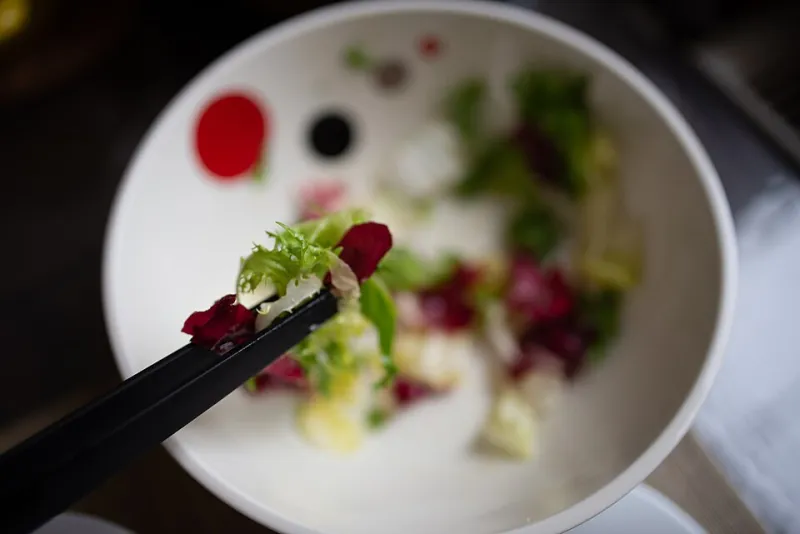
Photo: Shixart1985, CC BY 2.0, via Wikimedia Commons
Let's be honest: a cocktail garnish usually does one job—look cute on the rim of a glass and maybe end up on a napkin five minutes later. But what if the flower sitting on top of your drink was actually doing real flavor work? What if it was the whole point?
That's the shift happening in botanical cocktail culture right now, and it's way more accessible than it sounds. You don't need a Michelin-starred bar program or a fancy florist on speed dial. You need a little curiosity, maybe a small patch of garden space, and a willingness to let flowers do more than just decorate.
At Sunny Days Hana Fru, we're all about letting tropical and floral ingredients earn their place in your kitchen—and your glass. So let's talk about the blooms that are genuinely changing the game.
Why Most Floral Garnishes Fall Flat
The problem with a lot of "floral cocktails" you see on social media is that the flower is pure theater. A single pansy or a rose petal tossed on top of a gin and tonic looks gorgeous in a photo, but it contributes zero to the drinking experience. That's a missed opportunity.
The edible flowers worth getting excited about have actual flavor profiles—some are peppery, some are subtly sweet, some are almost citrusy or even mildly bitter in ways that complement spirits beautifully. Once you start thinking of flowers as ingredients rather than accessories, your whole approach to home bartending changes.
The Flowers Your Bar Cart Is Missing
Passionflower (Passiflora incarnata)
This is the showstopper. Passionflower is visually wild—it looks like something out of a science fiction novel—and its flavor is delicate, lightly floral, and faintly tropical. Steeped into a simple syrup, it adds a subtle complexity to tiki-style drinks that pairs brilliantly with rum, coconut water, and fresh pineapple juice. The plant is also surprisingly cold-hardy and grows readily across much of the southern and central US, making it a realistic backyard option for a lot of home gardeners.
Bonus: passionflower has a longstanding reputation as a calming herb, which makes it a natural fit for mocktails designed around relaxation.
Nasturtium (Tropaeolum majus)
Nasturtiums are one of the most underrated edible flowers in American home cooking, full stop. They're peppery, bright, and slightly mustardy—think of them as a floral arugula. In cocktails, that spice plays surprisingly well against sweeter tropical profiles. Try floating a few nasturtium petals in a mango margarita or a sparkling hibiscus lemonade for a pop of heat that sneaks up on you in the best way.
They're also absurdly easy to grow from seed, even in containers on an apartment balcony, and they bloom all summer long.
Borage (Borago officinalis)
Borage produces small, star-shaped flowers in a vivid cornflower blue—and they taste like cucumber. Yes, cucumber. If you've ever dropped a cucumber slice into a gin drink and thought, this is exactly right, borage flowers are your new best friend. They're especially lovely in sparkling beverages: drop a few into a flute of prosecco with elderflower liqueur and a squeeze of lime, and you've got a centerpiece drink for a summer brunch that took you about 90 seconds to assemble.
Lavender (Lavandula angustifolia)
Okay, lavender isn't exactly obscure—but most people use it wrong. Dried lavender in cocktails often goes too far, tipping into soapy territory that kills an otherwise great drink. Fresh lavender blossoms, used sparingly, are a completely different experience. A single small sprig muddled into a vodka lemonade or a sparkling water mocktail gives you that honeyed, herbal quality without overwhelming everything else. The key is restraint.
Grow your own (it thrives in sunny, dry spots all across the US) and you'll have fresh flowers to work with rather than the potent dried stuff from the spice aisle.
Pansies and Violas (Viola spp.)
These get dismissed as purely decorative, but their mild, slightly grassy, wintergreen-adjacent flavor actually works well in lighter drinks—think sparkling rosé cocktails, elderflower spritzers, or floral lemonades. More importantly, their flavor infuses beautifully into ice. Freeze pansies into ice cubes with a little tonic water and you've created a garnish that looks stunning and slowly contributes flavor as it melts. It's one of those small tricks that makes guests think you've been to bartending school.
Matching Flowers to Drink Styles
Tiki and tropical cocktails love big, bold floral notes that can hold their own against rum, passion fruit, and coconut. Passionflower syrup and hibiscus (already a Sunny Days favorite) are your anchors here.
Mocktails and low-ABV drinks benefit from flowers with genuine flavor complexity—borage, lavender, and elderflower (yes, the whole bloom, not just the cordial) help non-alcoholic drinks feel sophisticated rather than like a glass of fancy juice.
Sparkling beverages—whether that's Champagne, prosecco, or sparkling water—are the perfect canvas for delicate blooms like violas, pansies, and nasturtiums. The carbonation carries the aroma upward, so your nose gets the floral experience before your palate does.
Sourcing and Growing: Your Practical Game Plan
If you want to start experimenting this weekend, check your local farmers market first. Specialty herb vendors often carry edible flowers in season, and you'll know they're food-safe (a critical point—never use flowers from a florist or garden center unless they're explicitly labeled edible and pesticide-free).
For a longer-term setup, growing your own is genuinely the move. Nasturtiums, borage, and violas are all beginner-friendly and produce prolifically. Passionflower takes a season to establish but then basically takes care of itself. A small dedicated bed or even a few large containers near your kitchen door gives you a ready supply from late spring through fall.
When you're harvesting, pick flowers in the morning after the dew has dried, use them the same day if possible, and store them loosely between damp paper towels in the fridge if you need a few hours.
One Last Thing
The best part about leaning into edible flowers for cocktails isn't the Instagram moment (though that's genuinely fun). It's the way it shifts how you think about flavor. When you start treating your garden as a bar ingredient, every drink becomes a little more intentional—and a lot more interesting.
That's exactly the kind of everyday tropical magic we're here for.