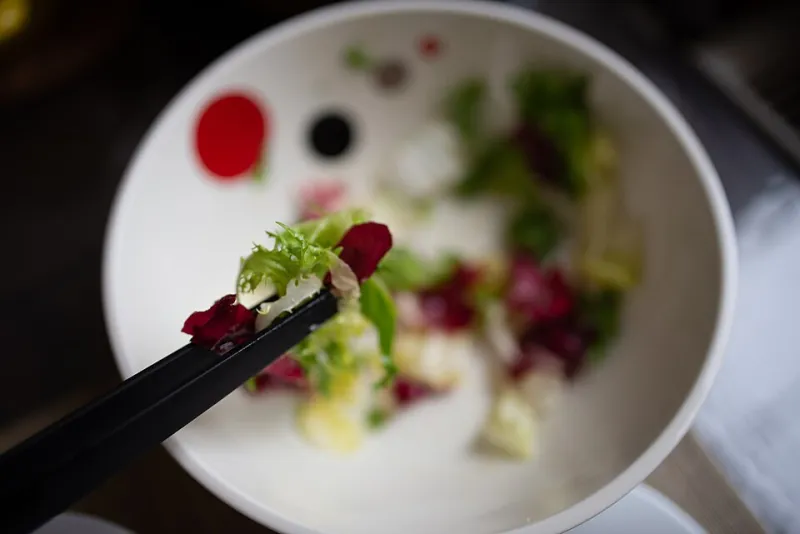
Homegrown Blooms on the Plate: Meet the American Farms Bringing Tropical Edible Flowers to Your Kitchen
Photo: Dahlgren, Bror Eric, 1877-; Standley, Paul Carpenter, 1884-1963; United States. Navy Dept. Bureau of Medicine and Surgery, No restrictions, via Wikimedia Commons
For most American home cooks, edible flowers feel like a restaurant-only luxury — the kind of garnish you admire on a fancy brunch plate but never think to buy yourself. And for a long time, that impression wasn't far off. Most culinary blooms were imported, expensive, and hard to find outside of specialty grocers or high-end wholesale suppliers.
But something is changing. Quietly, steadily, a new generation of American flower farmers is flipping that script — growing tropical and semi-tropical edible varieties right here in the US, and building direct relationships with the chefs, food brands, and curious home cooks who want them.
Why Domestic Tropical Flower Farming Is Having a Moment
It might seem counterintuitive at first. Tropical flowers — think orchids, passion flowers, hibiscus, and the striking bird of paradise — are associated with warm, humid climates far from the American heartland. So how are US farmers pulling this off?
The short answer: innovation and geography. States like Hawaii, Florida, and California have always had the climate for it, but what's new is the intentional pivot toward the culinary market rather than just ornamental horticulture. Farmers who once grew flowers exclusively for florists are now partnering with restaurants, food stylists, and specialty retailers to move product into kitchens instead of vases.
Beyond the Sun Belt, greenhouse technology has opened the door for growers in unexpected places — the Pacific Northwest, parts of the mid-Atlantic, even some areas of the Midwest — to cultivate tropical varieties year-round. Climate-controlled growing environments have gotten more efficient and more affordable, making it viable for small-scale operations to specialize in blooms that would have been impossible to grow locally a decade ago.
The Flowers Making the Biggest Splash
Not every tropical bloom translates to the plate, but the ones that do are genuinely exciting from a culinary standpoint.
Orchids are probably the most familiar edible tropical flower to American consumers, and domestic growers are producing them in a stunning range of colors and subtle flavor profiles — from faintly sweet to lightly peppery. They're visually dramatic and surprisingly versatile, turning up on everything from cocktail rims to sushi platters.
Passion flowers (Passiflora species) are another standout. The blooms themselves have a delicate, slightly grassy flavor, while the fruit of certain varieties is already well-loved in tropical drinks and desserts. Farms in Florida and Southern California have been quietly expanding their passion flower acreage, drawn by growing demand from both the beverage industry and the natural food sector.
Hibiscus deserves its own mention, even though it's become something of a mainstream ingredient at this point. Domestic hibiscus cultivation — particularly in Hawaii and parts of Texas — is helping reduce reliance on imported dried petals from Mexico and West Africa, and fresh hibiscus flowers from local farms have a brightness and complexity that the dried version simply can't match.
And then there's bird of paradise (Strelitzia), which is just beginning to edge into culinary conversations. While it's not edible in the traditional sense of being eaten whole, certain preparations using the petals as a visual element and mild flavor accent are gaining traction among adventurous chefs. Farms in Southern California — already major producers for the ornamental market — are starting to field culinary inquiries.
What This Means for the Supply Chain
The practical benefits of domestic tropical flower farming go well beyond novelty. When flowers travel shorter distances from farm to kitchen, they arrive fresher, with more vibrant color and better flavor. That's a big deal for a category where visual appeal is half the point.
There's also the environmental math. Importing delicate fresh flowers from Central America, Southeast Asia, or the Caribbean involves significant cold-chain logistics, air freight, and packaging — a carbon footprint that's hard to justify when local alternatives are becoming available. Domestic production isn't a perfect solution, but it's a meaningful step toward a more sustainable floral ingredient supply.
For chefs, the ability to build direct relationships with local flower farmers is a game-changer. Instead of ordering through a distributor and hoping for consistency, they can work with growers to request specific varieties, harvest timing, and even custom growing conditions. Some farms are now offering CSA-style subscriptions for culinary flowers — a model borrowed from vegetable farming that's finding real traction in the food-forward restaurant community.
Home Cooks Are Getting In on It Too
This isn't just a professional kitchen story. Farmers markets in cities like Los Angeles, Miami, Portland, and Austin are increasingly featuring edible flower vendors, including tropical varieties that would have been unthinkable at a local market five years ago. Online farm-direct ordering has opened access even further, with several small US farms now shipping fresh culinary blooms directly to consumers.
For home cooks, that accessibility changes things. Edible tropical flowers stop being a special-occasion splurge and start becoming a pantry staple — something you toss into a salad on a Tuesday, float in a pitcher of agua fresca, or press into a batch of homemade compound butter for a dinner party.
If you're curious about where to start, hibiscus and nasturtiums (technically not tropical, but widely cultivated alongside tropical varieties at many of these farms) are the most beginner-friendly options. Orchid petals are worth seeking out for visual drama. And if your local farmers market doesn't carry them yet, it's worth asking — demand signals matter, and growers pay attention.
The Bigger Picture
What's happening with tropical edible flower farming in the US is really a story about the food system catching up with consumer curiosity. People want more interesting, more natural, more beautiful ingredients — and they increasingly want to know where those ingredients come from. Domestic growers who specialize in culinary tropical flowers are positioned right at that intersection.
It's still an emerging market, and it's not without challenges. Growing tropical varieties outside their native climate requires real investment, and the culinary flower market is still small enough that many farms are hedging their bets with ornamental production. But the trajectory is clear, and the momentum is real.
At Sunny Days Hana Fru, we're genuinely excited about where this is headed. The idea that a chef in Chicago or a home cook in Denver could soon reach for fresh, locally-grown orchid petals or passion flowers the same way they reach for fresh herbs? That's the kind of future we're here for.